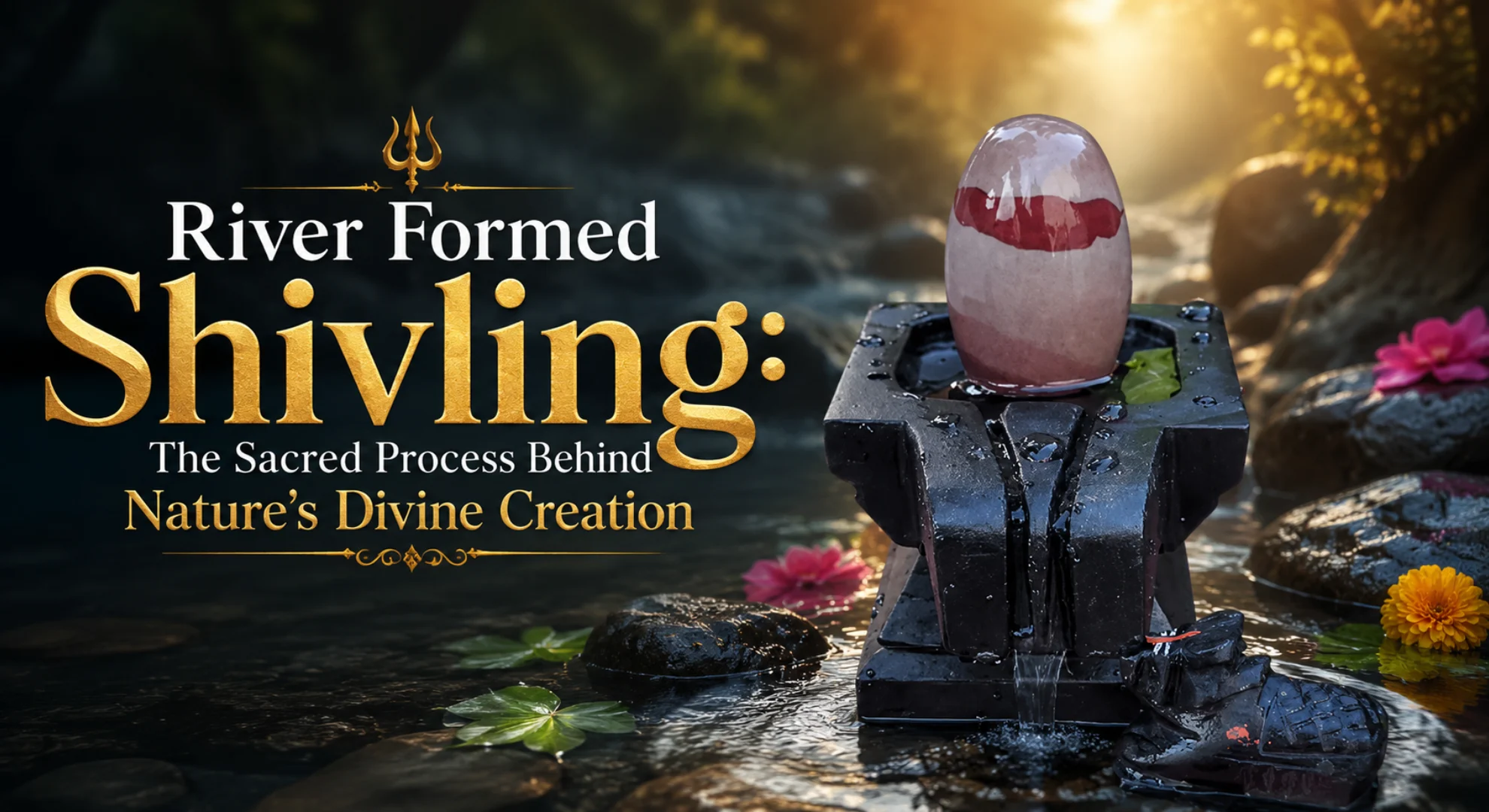

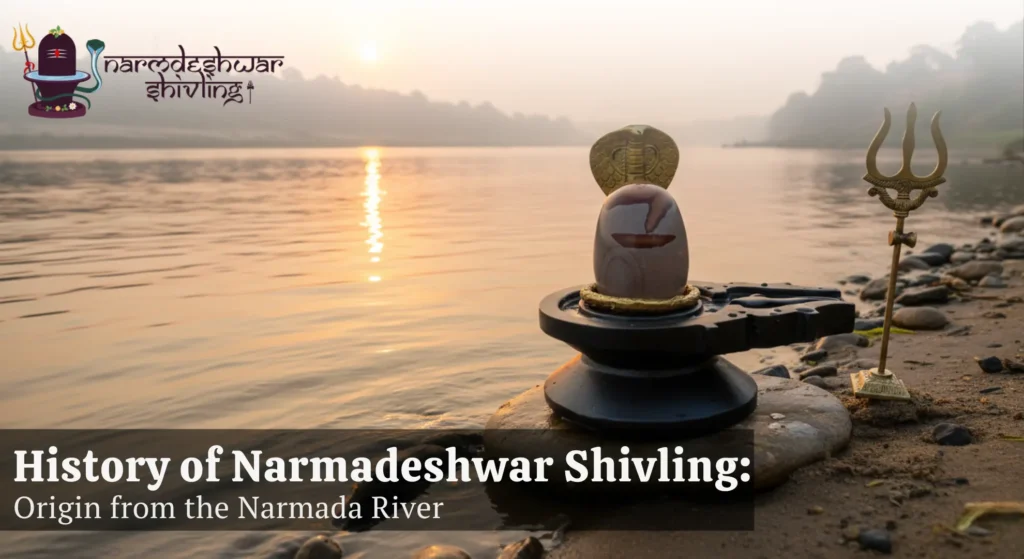
The Narmadeshwar Shivling holds a sacred place in Hindu worship. Devotees revere it for its spiritual significance and unique natural origin. These stones come exclusively from the holy Narmada River. Many believe that they represent Lord Shiva himself. Understanding the Narmadeshwar Shivling history helps devotees connect with centuries-old traditions, rituals, and spiritual practices.
The Narmada River is one of India’s seven sacred rivers. For thousands of years, it has inspired devotion, pilgrimage, and spiritual energy. Devotees believe that stones formed naturally in its waters carry divine blessings, making them especially powerful for worship, meditation, and rituals.
Narmadeshwar Shivlings form naturally over centuries. The river’s currents and minerals shape the stones into smooth, oval, or cylindrical forms. Each stone has distinct markings and textures that indicate authenticity.
Unlike carved or artificial Shivlings, every Narmadeshwar Shivling is unique in size, shape, and pattern. Devotees consider this a reflection of nature’s divine craftsmanship.
The Narmada River also imbues each stone with positive spiritual energy, amplifying its effectiveness in prayers and rituals. Stones that remain in the river longer become more polished and spiritually potent. This natural process makes Narmadeshwar Shivlings rare and highly valued.
For authentic stones, explore:
The Narmadeshwar Shivling history has deep roots in Hindu mythology. Ancient texts describe the Narmada River as sacred. According to these texts, Lord Shiva blessed the river, making it a source of spiritually potent stones. Devotees believe that the stones carry divine vibrations and represent Lord Shiva in his infinite form.
Historically, temples installed Narmadeshwar Shivlings as sacred icons. Priests performed daily rituals, including abhishekam (ritual bathing) and mantra chanting. These stones became central to Hindu religious practices, especially in regions surrounding the Narmada River.
Sages and saints also revered these stones during meditation. They considered the natural formation of Narmadeshwar Shivlings a manifestation of Shiva’s eternal presence. This long history of devotion highlights why modern devotees still regard these stones as highly auspicious.
Learn more about their spiritual importance here: Importance of Narmadeshwar Shivling in Hindu Worship.
Historically, devotees have used Narmadeshwar Shivlings for personal and temple rituals. People perform daily pooja, abhishekam, and meditation using these sacred stones. The natural energy of the Shivling strengthens prayers, helping devotees attract spiritual growth, peace, and prosperity.
During festivals like Maha Shivratri, devotees gather in temples with Narmadeshwar Shivlings to perform collective rituals. They offer milk, water, honey, and sacred oils during abhishekam. Devotees chant mantras such as Om Namah Shivaya or the Maha Mrityunjaya Mantra to amplify spiritual energy.
Historical accounts note that kings and royal families also maintained Narmadeshwar Shivlings in temples and palaces. They believed that the stones’ divine vibrations could protect their kingdoms and promote well-being. This tradition continues today, linking present-day devotees with centuries of ritualistic worship.
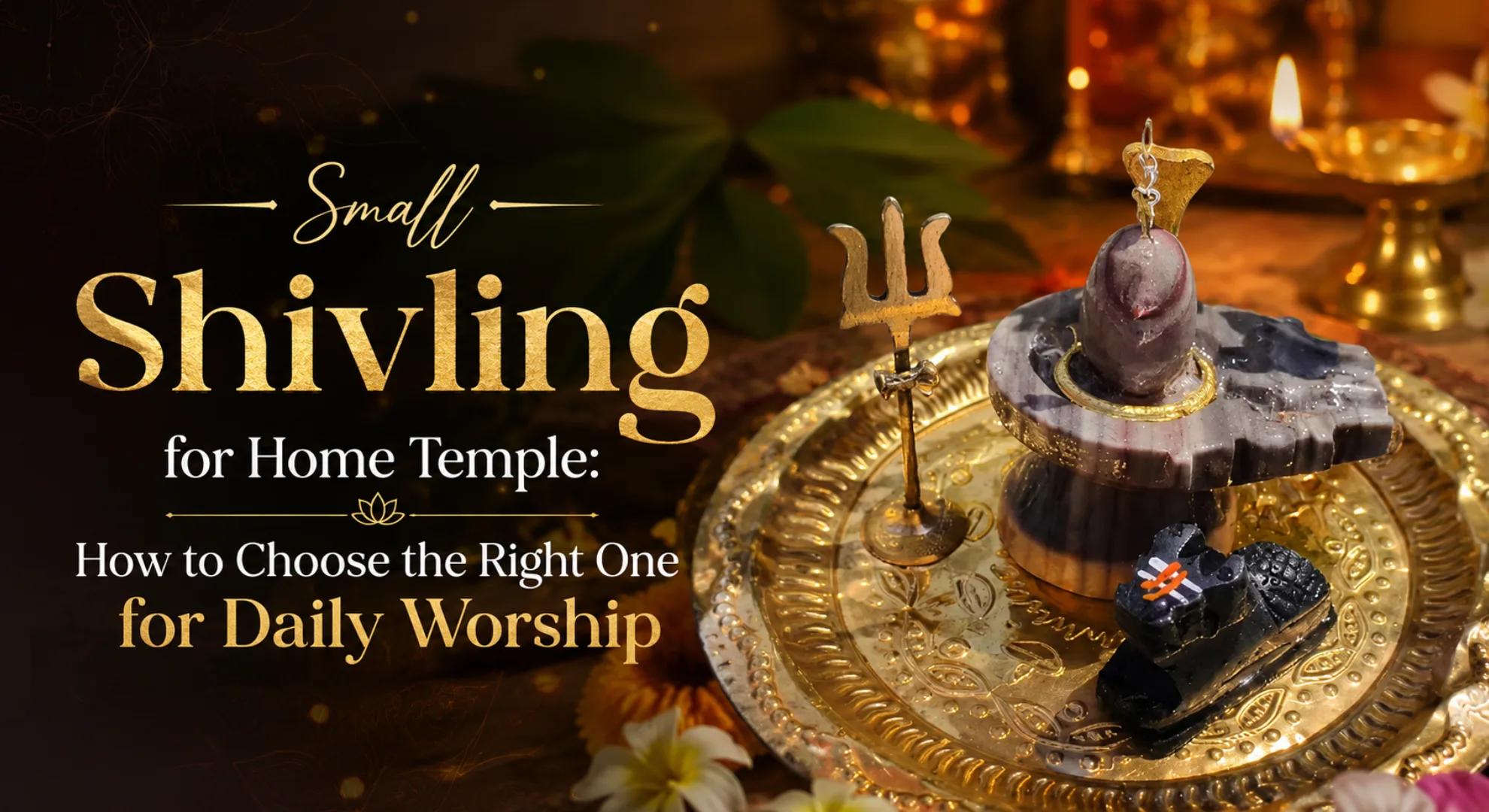
Over the centuries, Narmadeshwar Shivlings moved from temples into homes. Smaller stones fit home pooja rooms, where devotees can perform daily rituals, meditate, or chant mantras. A Narmadeshwar Shivling at home creates a spiritual atmosphere, attracting positivity and removing negative energy.
Temples continue to use larger stones as focal points for community worship. Devotees participate in collective rituals, maintaining centuries-old traditions. The stones remain a symbol of Lord Shiva’s divine presence for pilgrims and worshippers alike.
Explore the full collection suitable for home and temple worship: Shop Narmadeshwar Shivlings.
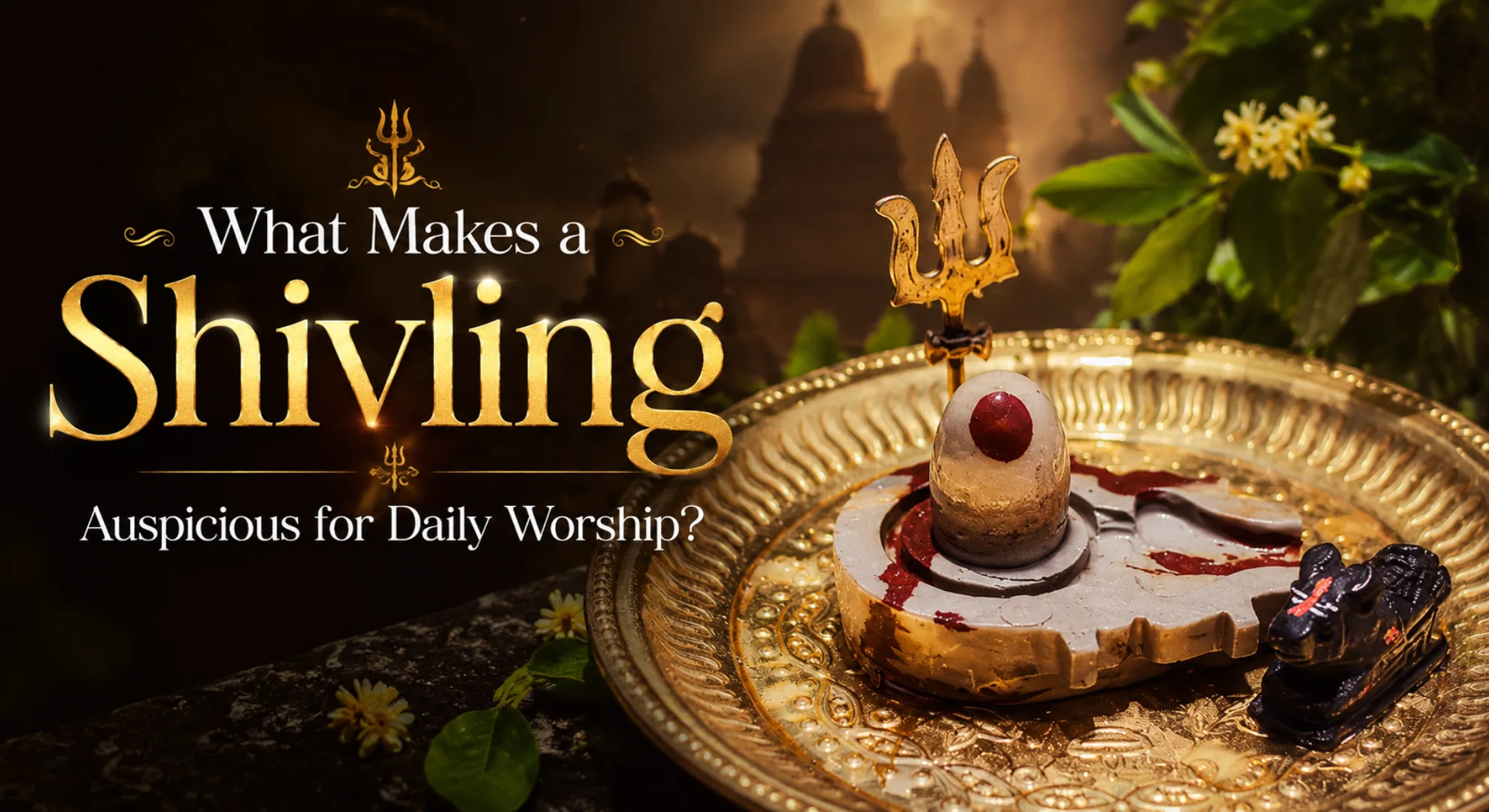
Ancient texts describe Narmadeshwar Shivlings as self-manifested and divinely charged. Devotees performed rituals to purify their minds, bodies, and surroundings. Sages believed that these stones helped channel focus and mindfulness during meditation.
By worshipping Narmadeshwar Shivlings, devotees honor a sacred legacy that has existed for thousands of years. This practice bridges historical spiritual traditions with modern devotion.
The Narmadeshwar Shivling history explains why devotees hold these stones in high regard. Their natural formation, spiritual potency, and long-standing use in rituals make them ideal for worship, meditation, and spiritual growth.
Modern devotees continue daily rituals, perform abhishekam, and offer prayers. They carry forward the centuries-old tradition of reverence.
For those seeking the sacred energy of the Narmada River, authentic Narmadeshwar Shivlings remain the preferred choice:
The history of Narmadeshwar Shivling reflects a rich spiritual heritage. By installing and worshipping these authentic stones, devotees invite Lord Shiva’s blessings, inner peace, and spiritual clarity into their lives.
Whether for personal meditation, temple rituals, or festival worship, a Narmadeshwar Shivling serves as a constant reminder of divine presence, guiding devotees toward devotion, mindfulness, and harmony.
Q1: Where do Narmadeshwar Shivlings originate?
A: They form naturally in the Narmada River, shaped by centuries of water currents and minerals.
Q2: Why are Narmadeshwar Shivlings sacred?
A: Devotees believe they carry divine energy and represent Lord Shiva, enhancing spiritual practice.
Q3: Can Narmadeshwar Shivlings be used for home and temple worship?
A: Yes. Smaller stones suit home pooja, while larger ones suit temple rituals.
Q4: How do I perform rituals with a Narmadeshwar Shivling?
A: Perform abhishekam, chant Shiva mantras, and offer flowers, incense, and lamps.
Q5: Where can I buy authentic Narmadeshwar Shivlings online?
A: Explore verified stones here: Shop Narmadeshwar Shivlings.
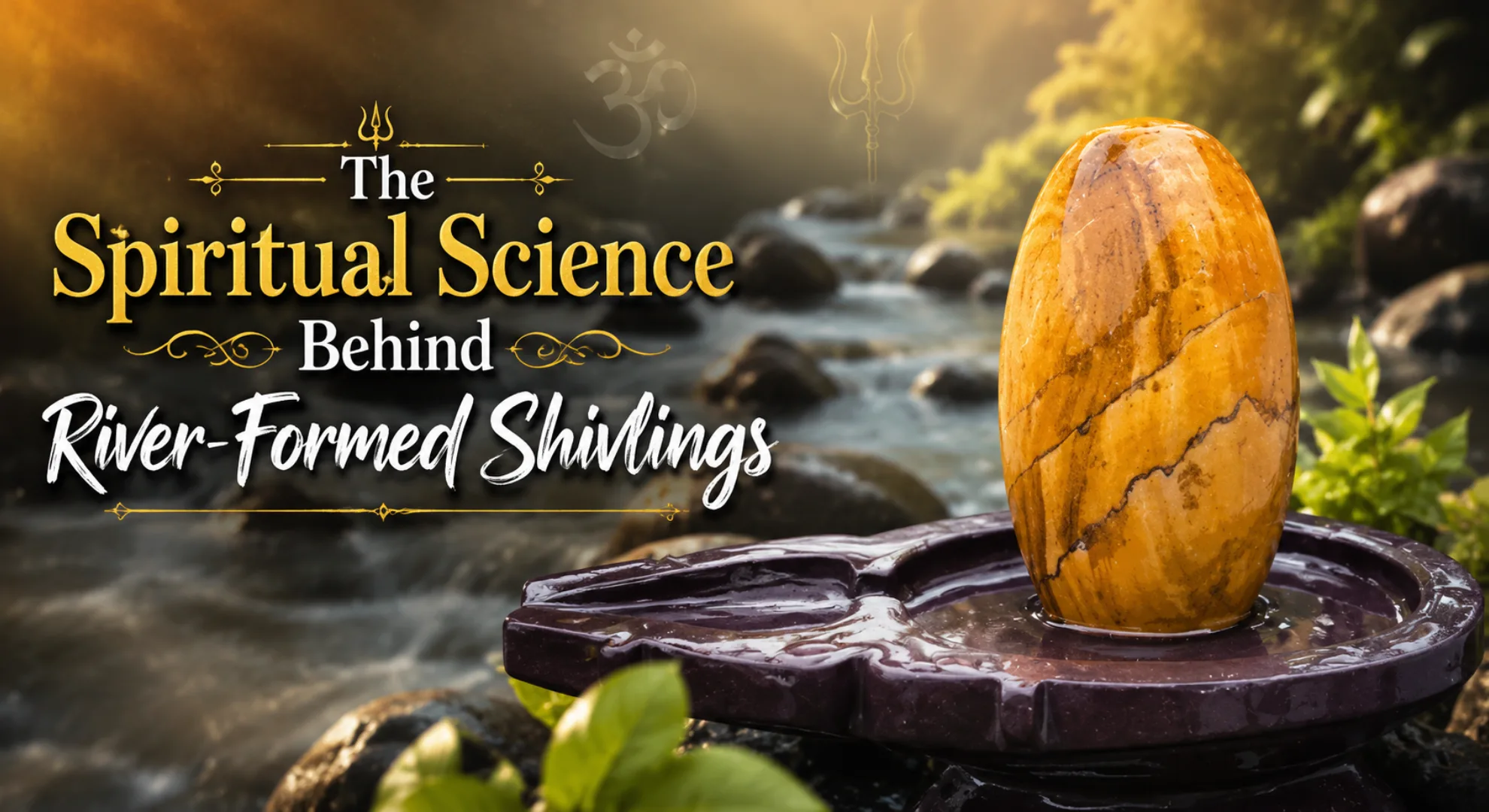

Discover the divine power of authentic Narmadeshwar Shivlings, crafted from the sacred Narmada River stone.
+91-9165667897
luckykewat932@gmail.com
Bakawan Madhya Pradesh
Copyright © All Right Reserved