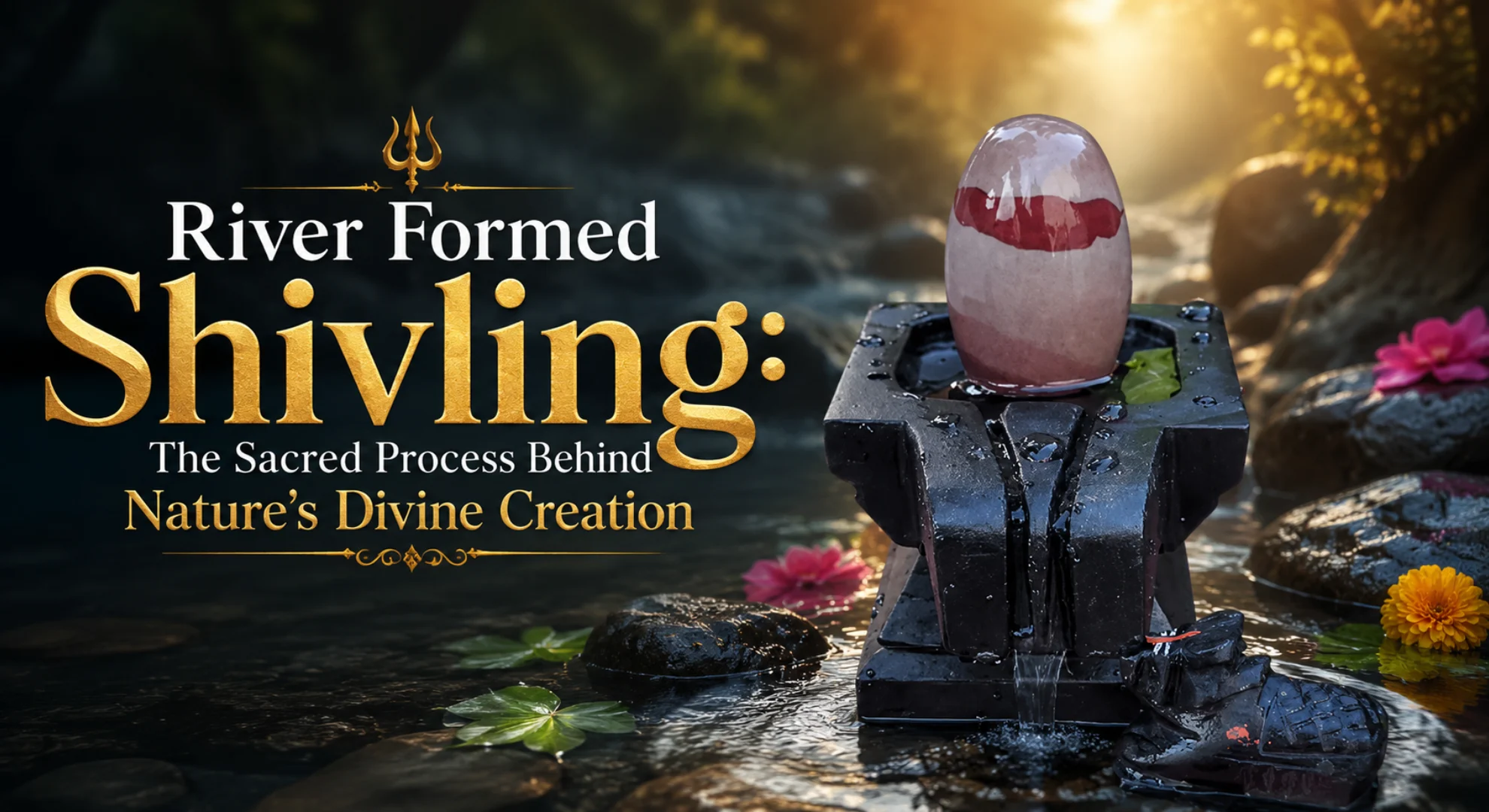


In Hindu spirituality, the Shivling represents the infinite, formless nature of Lord Shiva. Many devotees desire to keep a Shivling at home to stay spiritually connected, yet they often hesitate due to myths, confusion, or fear of doing something incorrectly. According to ancient Shastra and Puranic teachings, keeping a Shivling at home is not only permitted but also highly beneficial when done with devotion, respect, and basic spiritual discipline.
This detailed guide explains the benefits of keeping Shivling at home based on Shastra, spiritual beliefs, vastu principles, and traditional worship practices. It also clarifies which type of Shivling is suitable for home worship and how devotees can worship it correctly without unnecessary fear.
Shastra does not forbid keeping a Shivling at home. Instead, it emphasizes intention, purity, and consistency in worship. Texts such as the Shiva Purana describe Lord Shiva as Ashutosh, meaning he becomes pleased easily through sincere devotion rather than elaborate rituals.
Therefore, when devotees keep a Shivling at home with respect and a calm spiritual mindset, it strengthens their connection with Lord Shiva. Shastra mainly advises householders to avoid large temple-style Shivlings and instead choose forms suitable for daily home worship. When worship aligns with simplicity and devotion, the spiritual benefits unfold naturally.
One of the most profound benefits of keeping Shivling at home is the deep sense of inner peace it creates. Lord Shiva symbolizes stillness, detachment, and balance. His presence in the form of a Shivling helps calm the restless mind and reduces emotional turbulence.
As devotees engage in regular worship, they gradually develop patience, clarity, and emotional control. Over time, anxiety, fear, and mental pressure begin to reduce naturally. This calming influence benefits not just individuals but the entire household environment.
Keeping a Shivling at home transforms the living space into a spiritually charged environment. According to Shastra, even minimal daily worship purifies the surroundings and keeps negative vibrations away.
Moreover, the Shivling continuously radiates spiritual energy. As a result, the home begins to feel more peaceful, focused, and protected. This spiritual atmosphere supports meditation, prayer, and mindful living, especially in today’s fast-paced and stressful lifestyle.
Shastra teaches that Lord Shiva maintains balance between opposing forces. Therefore, worshipping the Shivling at home helps balance emotions among family members. Ego-driven conflicts, misunderstandings, and unnecessary arguments reduce gradually.
When family members worship together, they develop mutual respect, patience, and emotional understanding. As a result, relationships strengthen naturally, and the household experiences harmony without forced effort.
Another important benefit of keeping Shivling at home lies in its influence on daily habits and values. The presence of the Shivling encourages discipline, cleanliness, and spiritual awareness in daily life.
Children grow up observing regular prayer and respect for spiritual practices, which shapes their moral development. Elders, on the other hand, find emotional comfort and purpose in daily worship. Over time, the Shivling becomes a silent guide that promotes ethical living and inner growth.
From a vastu perspective, the Shivling plays a vital role in balancing the energy flow of a house. Vastu Shastra associates the Shivling with the element of space and consciousness, which governs clarity and peace.
Placing the Shivling in the north-east (Ishaan Kon) direction enhances spiritual vibrations. This placement supports calmness, wisdom, and positive energy flow throughout the home.
However, correct placement and respectful handling remain essential for maximum benefit.
According to Shastra, Lord Shiva governs healing and transformation. Therefore, devotees believe that keeping a Shivling at home supports both physical and mental well-being.
Regular worship helps calm the nervous system, reduce stress, and improve emotional resilience. Chanting mantras like Om Namah Shivaya creates rhythmic vibrations that positively influence mental health. Over time, devotees often experience improved emotional strength and inner balance.
Among the most widely experienced benefits of keeping Shivling at home is obstacle removal. Lord Shiva is known as the destroyer of ignorance and negativity. His worship helps remove inner blockages such as fear, doubt, and indecision.
As clarity improves, devotees naturally make better decisions in career, business, and finances. Prosperity follows not merely through material gain but through stability, discipline, and clarity of purpose.
Shastra advises householders to select Shivlings that are spiritually powerful yet suitable for simple worship. Naturally formed Shivlings and single-stone carved Shivlings work best for home environments.
A suitable example is the Akhand Narmadeshwar Shivling (Single Stone Carved), which allows regular worship without strict temple rituals:
https://narmdeshwarshivling.com/product/akhand-narmadeshwar-shivling-single-stone-carved/
Such Shivlings support devotion while maintaining simplicity and consistency.
Shastra emphasizes sincerity over complexity. Therefore, devotees can follow a simple daily worship routine without fear.
Even a short daily ritual strengthens spiritual discipline and brings peace.
Many people believe that keeping a Shivling at home invites strict rules or negative outcomes if worship lapses. However, Shastra does not promote fear-based worship. Instead, it encourages respect, cleanliness, and consistency.
Problems arise only when devotees show disrespect or abandon worship completely. Therefore, mindful devotion and sincerity remain far more important than ritual perfection.
Naturally formed Shivlings carry special spiritual importance. To understand this deeper symbolism, you can read this detailed guide:
https://narmdeshwarshivling.com/narmadeshwar-shivling-benefits-complete-spiritual-vastu-puja-guide/
This resource explains why Narmadeshwar Shivlings are considered highly auspicious according to Shastra.
Authenticity plays a crucial role in spiritual worship. Therefore, devotees should choose verified sources that respect sacred traditions and proper sourcing.
You can explore authentic Shivlings here:
https://narmdeshwarshivling.com/shop/
Is it allowed to keep Shivling at home according to Shastra?
Yes. Shastra allows it when worship is done with respect, cleanliness, and devotion.
What are the main benefits of keeping Shivling at home?
It promotes peace, spiritual growth, family harmony, vastu balance, and prosperity.
Which Shivling is best for home worship?
Naturally formed or single-stone Shivlings, especially Narmadeshwar Shivlings, are ideal.
Is daily abhishek compulsory?
No. Simple water offering and mantra chanting are sufficient.
Which direction is best for placing Shivling at home?
The north-east (Ishaan Kon) direction is considered the most auspicious.
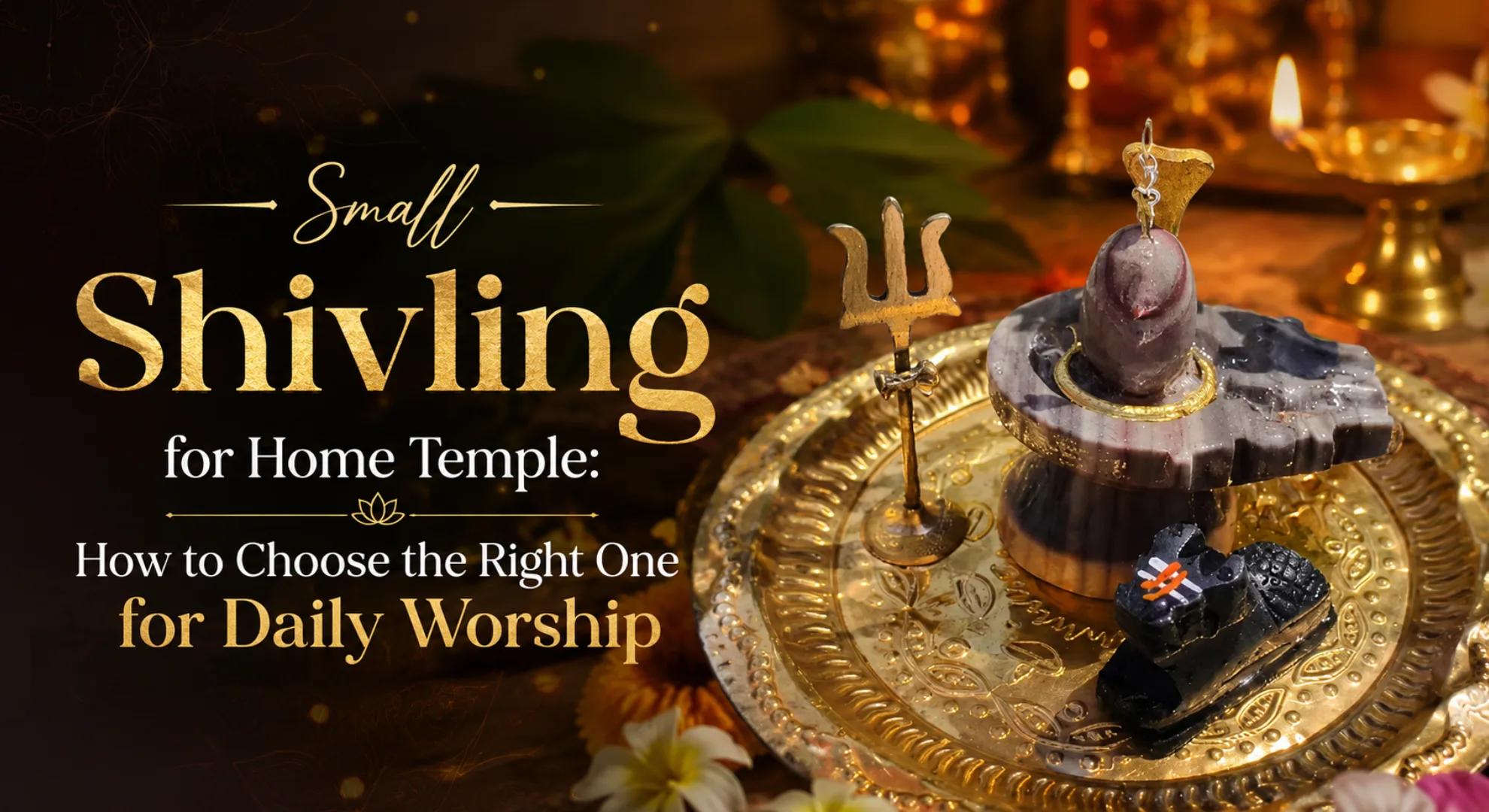



Discover the divine power of authentic Narmadeshwar Shivlings, crafted from the sacred Narmada River stone.
+91-9165667897
luckykewat932@gmail.com
Bakawan Madhya Pradesh
Copyright © All Right Reserved