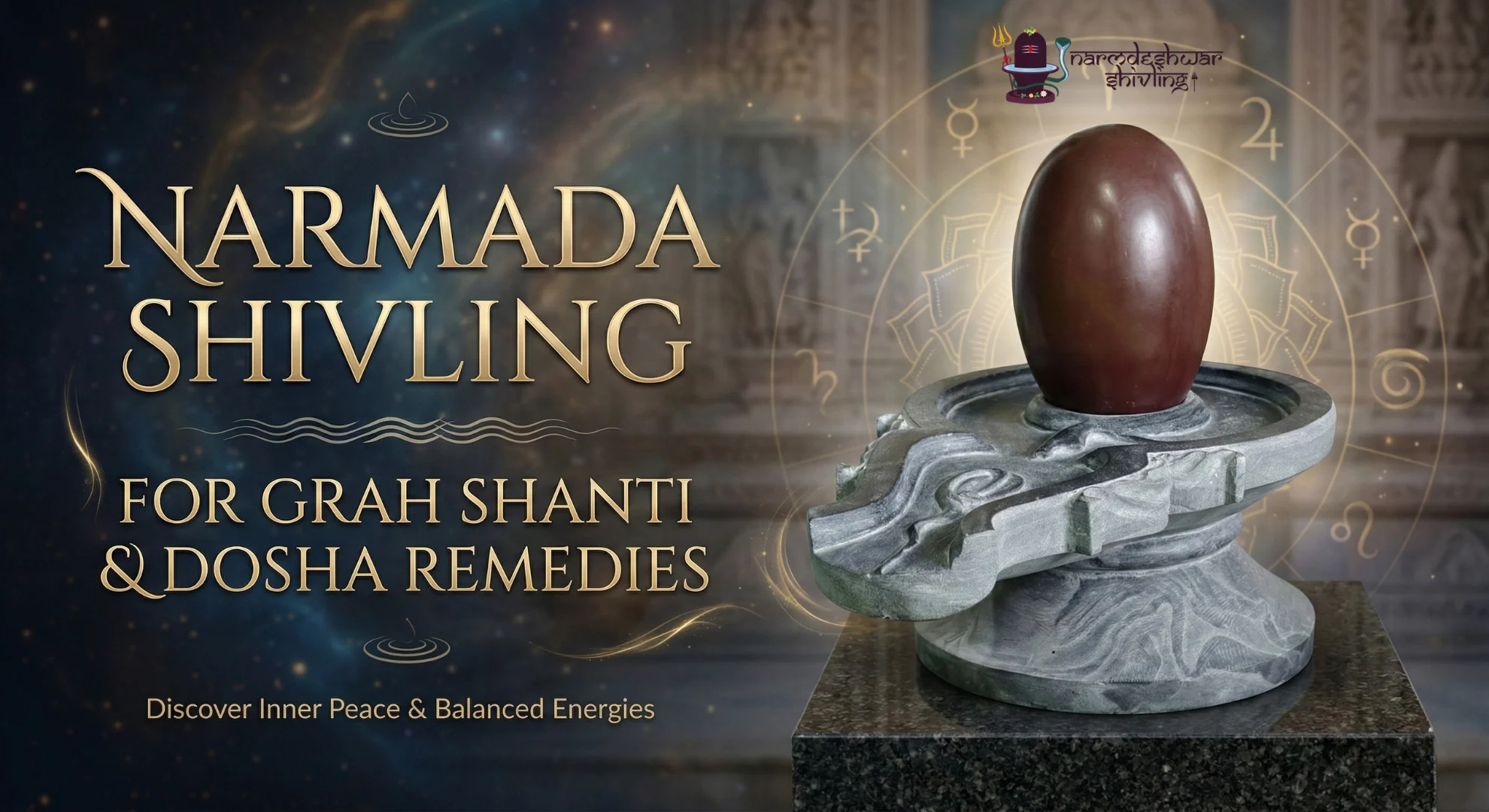


A traditional narmadeshwar shivling holds exceptional spiritual importance during griha pravesh and other sacred ceremonies because it symbolizes divine protection, stability, and spiritual grounding. Griha pravesh represents more than simply entering a new house; it marks the beginning of a new phase of life. Therefore, families perform purification rituals to invite positive energy and remove lingering negativity from the space.
Installing a traditional Narmadeshwar Shivling during this ceremony strengthens the spiritual foundation of the home. Devotees believe that Lord Shiva’s presence ensures balance, discipline, and protection from unseen disturbances. Moreover, since Shiva represents both transformation and stability, placing his sacred symbol during housewarming establishes long-term spiritual harmony within the household.
The term traditional narmadeshwar shivling refers specifically to a naturally formed Shivling sourced from the sacred Narmada River. Unlike machine-carved replicas, traditional Shivlings form organically through centuries of natural river flow, mineral polishing, and gradual erosion.
Because nature shapes these stones without human intervention, they retain authentic grain patterns, organic textures, and natural symmetry. These characteristics distinguish genuine Narmadeshwar Shivlings from artificial versions. Furthermore, traditional belief emphasizes that naturally formed Shivlings align more closely with ancient scriptures and temple customs. Therefore, families performing sacred ceremonies prefer traditional stones that reflect scriptural authenticity and spiritual purity.
During griha pravesh, priests conduct rituals to purify the home and invoke divine blessings. Installing a traditional narmadeshwar shivling during this process symbolizes the establishment of divine consciousness within the household. Lord Shiva’s presence represents strength, protection, and spiritual clarity.
Additionally, devotees believe that performing abhishek on a Narmadeshwar Shivling during housewarming rituals removes obstacles and stabilizes family life. Chanting mantras such as “Om Namah Shivaya” amplifies positive vibrations throughout the space. As a result, the ceremony transitions from a simple ritual into a spiritually transformative experience.
The Shivling becomes a permanent spiritual anchor, reminding family members of their commitment to discipline, harmony, and devotion.
Selecting the appropriate Shivling size enhances both ceremonial impact and long-term practicality. A medium-sized traditional narmadeshwar shivling paired with a sturdy jaladhara base offers stability during rituals while remaining manageable for daily worship.
You can explore a suitable ceremonial option here:
https://narmdeshwarshivling.com/product/golden-yellow-narmadeshwar-shivling-4-inch-shivling-with-8-inch-jaldhara-base/
A properly proportioned Shivling ensures smooth abhishek flow and balanced altar aesthetics. During ceremonies, priests often require space for offerings such as milk, honey, bilva leaves, and flowers. Therefore, a thoughtfully sized Shivling supports both ritual convenience and spiritual symbolism.
Correct placement enhances the spiritual strength of the installation. According to Vastu principles, the North-East direction (Ishan Kon) remains most favorable for placing a traditional narmadeshwar shivling. This direction represents spiritual awakening and clarity.
Furthermore, the jaladhara outlet should ideally face North or East to symbolize prosperity and purification. Devotees should always place the Shivling on a raised platform rather than directly on the floor. Elevation signifies respect and sacredness.
Maintaining cleanliness and simplicity around the installation area further strengthens spiritual alignment. Avoid clutter or excessive decorative elements that may distract from devotional focus.
For more insight into authentic installation practices, refer to this detailed guide:
https://narmdeshwarshivling.com/natural-shivling-stone-from-narmada-river-ideal-for-ghar-sthapana/
Devotees regard the traditional narmadeshwar shivling as especially auspicious because of its natural origin. Unlike sculpted idols that require ritual energization, Narmadeshwar Shivlings form naturally in the sacred river and are considered spiritually complete.
Additionally, ancient traditions suggest that worshipping Narmadeshwar Shivling grants spiritual merit comparable to visiting sacred Jyotirlinga temples. Therefore, families installing it during auspicious ceremonies believe they invite long-lasting prosperity and divine protection into their home.
The stone’s organic patterns and natural finish also symbolize divine craftsmanship, reinforcing faith and reverence.
Installing a traditional Shivling during griha pravesh establishes a foundation for lifelong worship. Regular abhishek and mantra chanting help maintain spiritual continuity in the household. Over time, this consistent practice cultivates patience, mindfulness, and emotional balance among family members.
Moreover, devotees often associate Shivling worship with protection from negative influences and strengthening of positive energy flow. The presence of Lord Shiva’s symbol encourages discipline and unity within the family structure.
With increasing demand for sacred stones, imitation products have entered the market. Therefore, authenticity remains crucial when selecting a traditional narmadeshwar shivling. A genuine stone should display organic grain patterns, natural mineral variations, and balanced symmetry without artificial polishing.
Purchasing from trusted and specialized sources ensures spiritual integrity. You can explore authentic collections here:
https://narmdeshwarshivling.com/shop/
Authentic sourcing guarantees that your griha pravesh ceremony aligns with traditional spiritual values rather than commercial imitation.
During griha pravesh and other auspicious events such as Mahashivratri or Shravan month rituals, performing abhishek enhances sanctity. Devotees typically offer water, milk, honey, and bilva leaves while chanting sacred mantras.
However, the ritual does not require excessive complexity. Lord Shiva symbolizes simplicity and humility. Therefore, sincerity and devotion hold greater importance than elaborate ceremonial decoration. A traditional Narmadeshwar Shivling naturally supports this simple yet powerful worship style.
A traditional narmadeshwar shivling also serves as a deeply meaningful gift for housewarming ceremonies, weddings, and spiritual milestones. Gifting a Shivling conveys blessings of stability, transformation, and divine protection.
Moreover, because it originates naturally from the sacred Narmada River, the gift carries emotional and spiritual authenticity. Recipients appreciate both its aesthetic beauty and its sacred heritage.
Its natural origin and spiritual completeness make it highly auspicious for housewarming ceremonies.
Traditionally, devotees believe naturally formed Shivlings do not require elaborate energization rituals.
North-East direction is considered most auspicious according to Vastu principles.
Check for natural grain patterns and purchase from trusted sources specializing in genuine Narmadeshwar Shivlings.
Yes. Medium-sized Shivlings with jaladhara bases provide stability during rituals and remain suitable for daily worship.
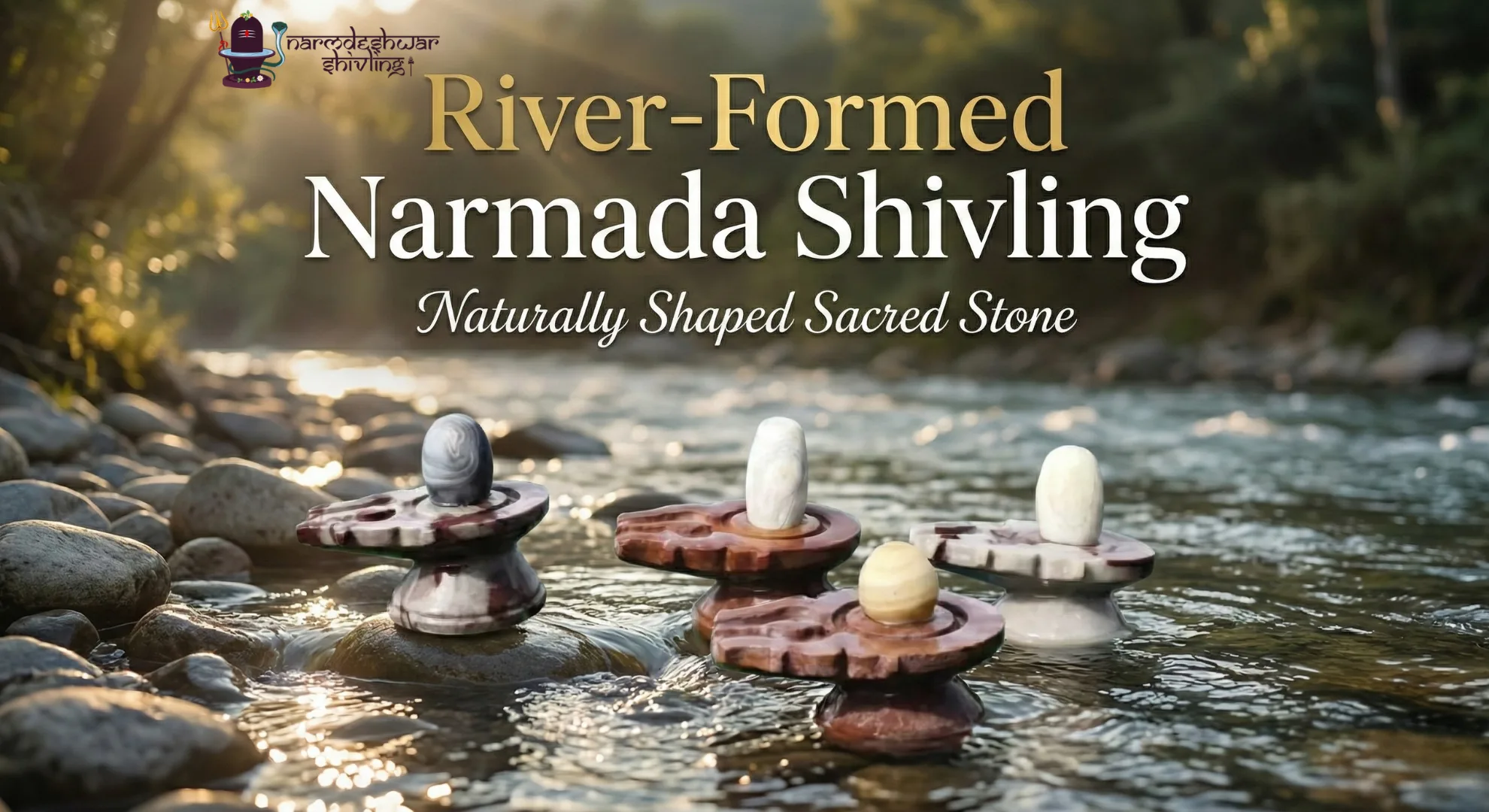



Discover the divine power of authentic Narmadeshwar Shivlings, crafted from the sacred Narmada River stone.
+91-9165667897
luckykewat932@gmail.com
Bakawan Madhya Pradesh
Copyright © All Right Reserved