


Before learning the rules for placing Nandi idol at home, it is essential to understand why Nandi holds such a central role in Shiva worship. Nandi is not merely a symbolic bull placed near Lord Shiva. Instead, he represents unwavering devotion, patience, strength, and complete surrender to divine consciousness. In almost every traditional Shiva temple, Nandi sits directly facing the Shivling, maintaining a posture of eternal focus and loyalty.
This positioning carries deep meaning. Nandi constantly gazes at Lord Shiva, symbolizing pure devotion without distraction. Therefore, when devotees install a Shivling at home, placing Nandi properly completes the sacred arrangement. Without Nandi, the spiritual symbolism remains incomplete, especially for those who follow traditional temple customs in home worship.
When following the rules for placing Nandi idol at home, alignment becomes the most important factor. Nandi must always face the Shivling directly. This straight alignment represents a direct devotional connection between devotee and deity. If Nandi faces away or sits at an angle, the symbolic flow of devotion appears disrupted.
Additionally, devotees should place Nandi slightly lower than the Shivling. This height difference reflects humility and reverence, as Nandi is the devotee while Lord Shiva represents the supreme consciousness. Avoid placing Nandi at equal or higher elevation than the Shivling, as traditional arrangements always maintain this spiritual hierarchy.
While understanding the rules for placing Nandi idol at home, devotees must also consider Vastu principles. First, determine the correct direction for placing the Shivling. Most Vastu guidelines recommend the North-East corner (Ishan Kon) for spiritual objects because this direction promotes clarity and positive energy.
Once you position the Shivling correctly, place Nandi directly in front of it in a straight line. The devotee should ideally face East or North during worship. Consequently, Nandi will automatically align between the devotee and Lord Shiva. This arrangement creates a symbolic pathway of prayer and devotion.
Maintaining proper directional alignment strengthens spiritual focus and enhances the calm atmosphere of the puja space.
The distance between Nandi and the Shivling plays a subtle yet important role. Devotees should maintain a balanced gap that allows clear visibility of both idols. If Nandi sits too close, it may obstruct offerings such as abhishek water, flowers, or bilva leaves. On the other hand, placing Nandi too far weakens the symbolic connection.
Therefore, keep a small but respectful space between the two. This spacing ensures comfortable ritual performance while preserving the traditional temple-style arrangement. A balanced layout not only enhances aesthetics but also maintains spiritual symmetry.
Height and elevation significantly influence the spiritual arrangement. Devotees should place the Shivling on a raised platform or altar. Similarly, Nandi should sit on the same altar surface but slightly lower in height compared to the Shivling.
Avoid placing Nandi directly on the floor while the Shivling rests on a higher pedestal. Such imbalance disrupts symbolic harmony. Instead, ensure both idols share the same sacred base area while maintaining proper height difference to reflect devotion and humility.
The symbolic significance of Nandi facing the Shivling carries deep spiritual wisdom. Nandi represents the ideal devotee who listens attentively and remains steadfast in faith. In many temples, devotees whisper their wishes into Nandi’s ear before offering prayers to Lord Shiva.
This practice symbolizes communication through devotion. Therefore, positioning Nandi correctly at home reinforces this sacred tradition. When Nandi faces the Shivling directly, he becomes a spiritual intermediary who carries the devotee’s prayers toward divine consciousness.
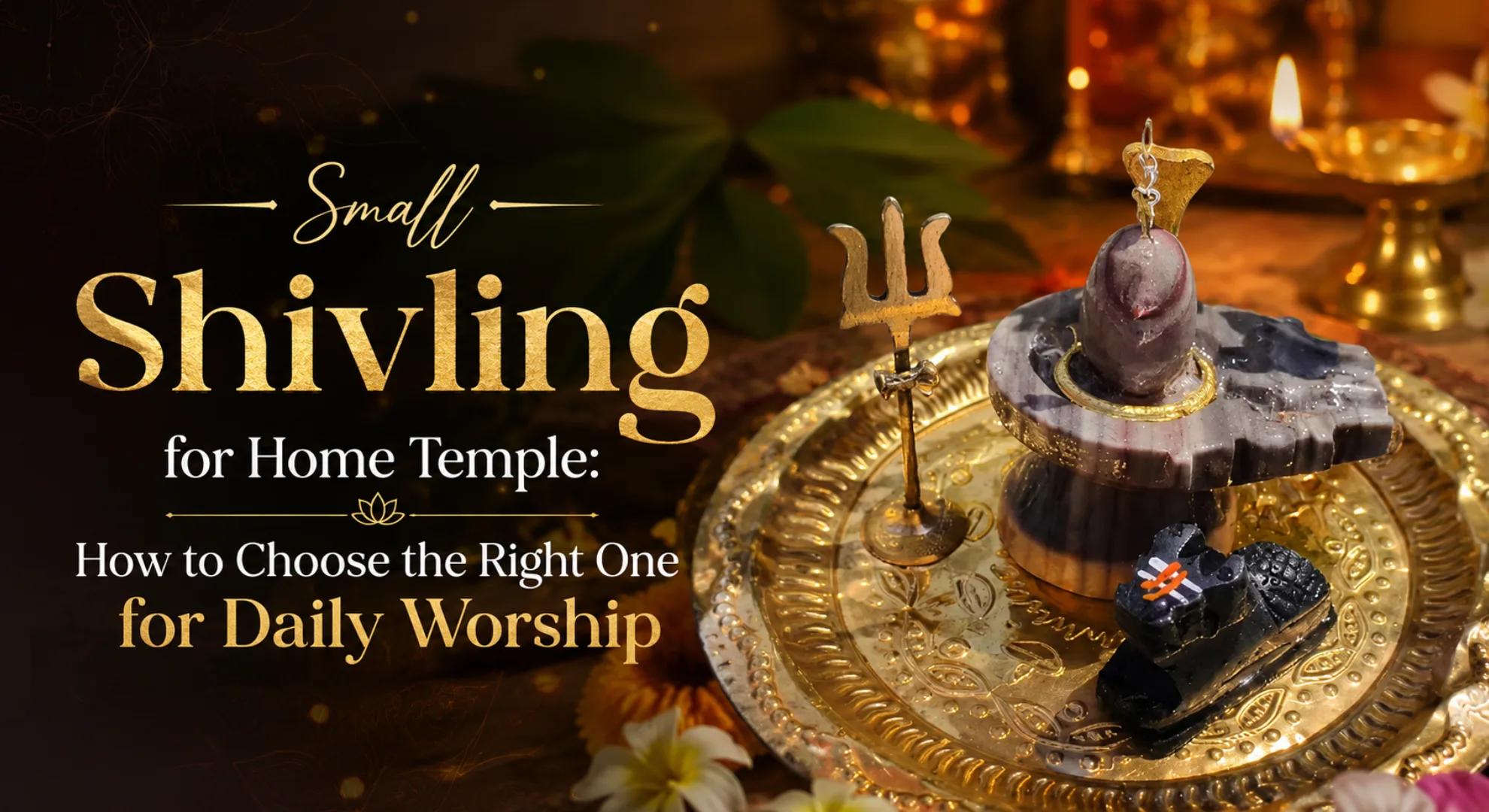
Selecting an appropriate Nandi idol enhances the spiritual atmosphere. Handcrafted stone idols or traditional black stone Nandi statues align well with Shivling worship. Quality material ensures durability and aesthetic harmony with the altar.
You can explore an authentic handcrafted option here:
https://narmdeshwarshivling.com/product/handcrafted-black-stone-nandi-idol-for-shivling-puja-and-temple-decor/
Additionally, ensure the Nandi idol size complements the Shivling. An oversized Nandi may visually overpower the setup, while an extremely small idol may diminish presence. Proportional balance maintains visual and spiritual harmony.
Many devotees unknowingly make placement mistakes. One common error involves placing Nandi at an angle for decorative appeal. However, traditional practice requires direct alignment. Another mistake includes placing multiple Nandi idols around the Shivling, which may clutter the sacred space.
Additionally, avoid positioning Nandi in bedrooms or near wash areas. Sacred objects deserve a calm and pure environment. Maintaining simplicity and clarity prevents distraction and strengthens devotional focus.
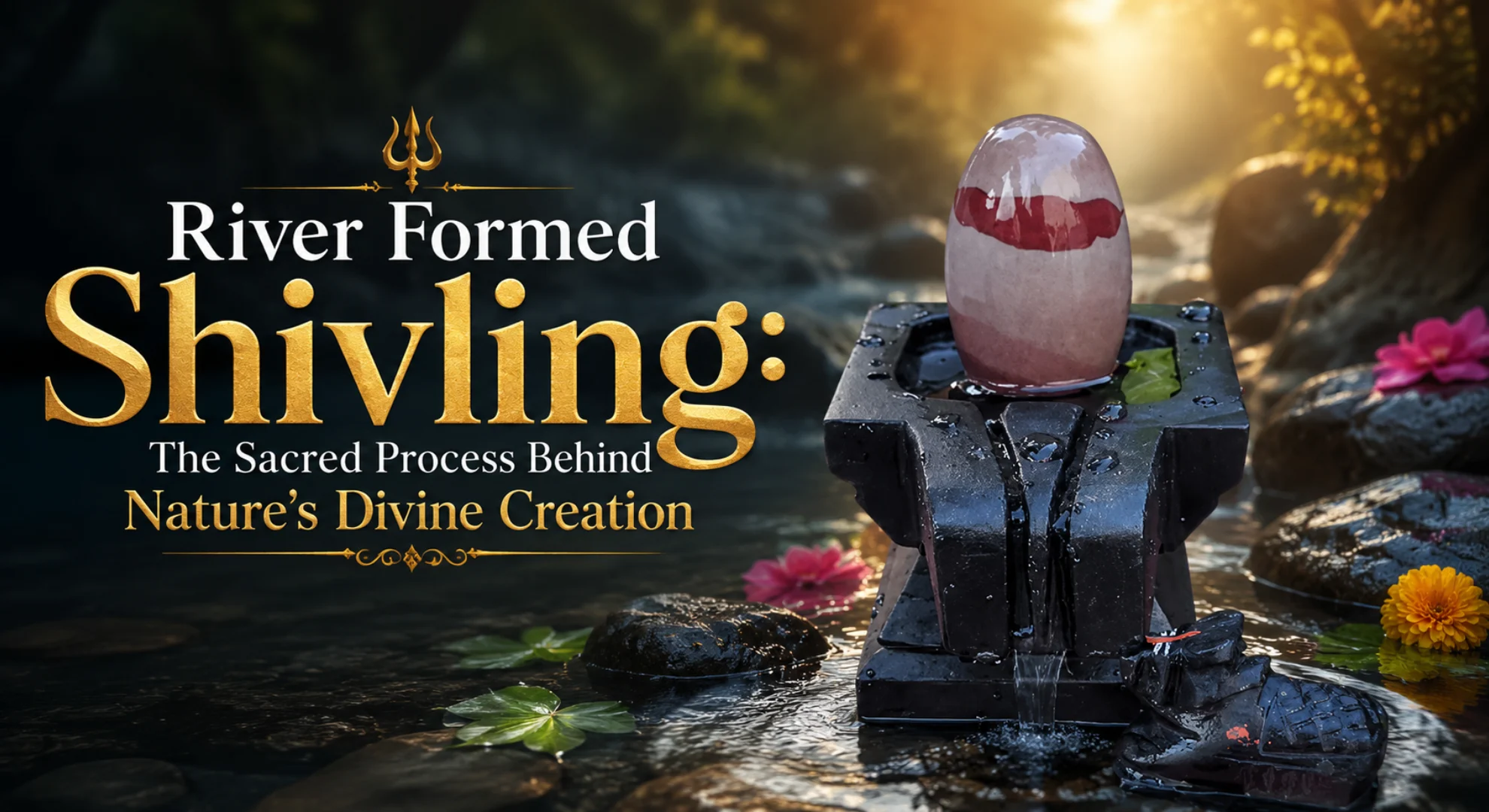
For a spiritually complete arrangement, devotees often pair Nandi with a naturally formed Narmadeshwar Shivling. These Shivlings originate in the sacred Narmada River and carry deep traditional significance.
To understand more about the divine power of naturally formed Shivlings, refer to this guide:
https://narmdeshwarshivling.com/power-of-swayambhu-shivling-why-narmadeshwar-is-considered-divine/
You can also explore genuine Shivling collections here:
https://narmdeshwarshivling.com/shop/
Authenticity combined with proper placement enhances the overall spiritual energy of your home.
When devotees follow the correct rules for placing Nandi idol at home, they create a disciplined and harmonious worship environment. Proper alignment improves concentration during mantra chanting and abhishek rituals.
Moreover, Nandi’s presence symbolizes patience and steadfast devotion. Many devotees believe that correct placement strengthens family unity and emotional stability, as Nandi represents loyalty and resilience.
Regular cleaning maintains both physical and spiritual purity. Devotees should gently wipe the Nandi idol during daily puja and avoid dust accumulation. During special occasions, offering flowers or sandalwood paste enhances devotional expression.
Additionally, avoid unnecessary relocation of the idol. Stability in placement symbolizes stability in faith. Once positioned correctly, maintain consistency unless relocation becomes necessary for genuine reasons.
Nandi must face the Shivling directly, sit slightly lower in height, and remain aligned according to Vastu direction.
No. Traditional practice requires Nandi to sit directly in front of the Shivling.
Nandi should always face the Shivling regardless of the overall altar direction.
While not mandatory, keeping Nandi enhances traditional symbolism and devotional completeness.
Maintain a small balanced distance that allows comfortable worship and clear visibility.


Discover the divine power of authentic Narmadeshwar Shivlings, crafted from the sacred Narmada River stone.
+91-9165667897
luckykewat932@gmail.com
Bakawan Madhya Pradesh
Copyright © All Right Reserved