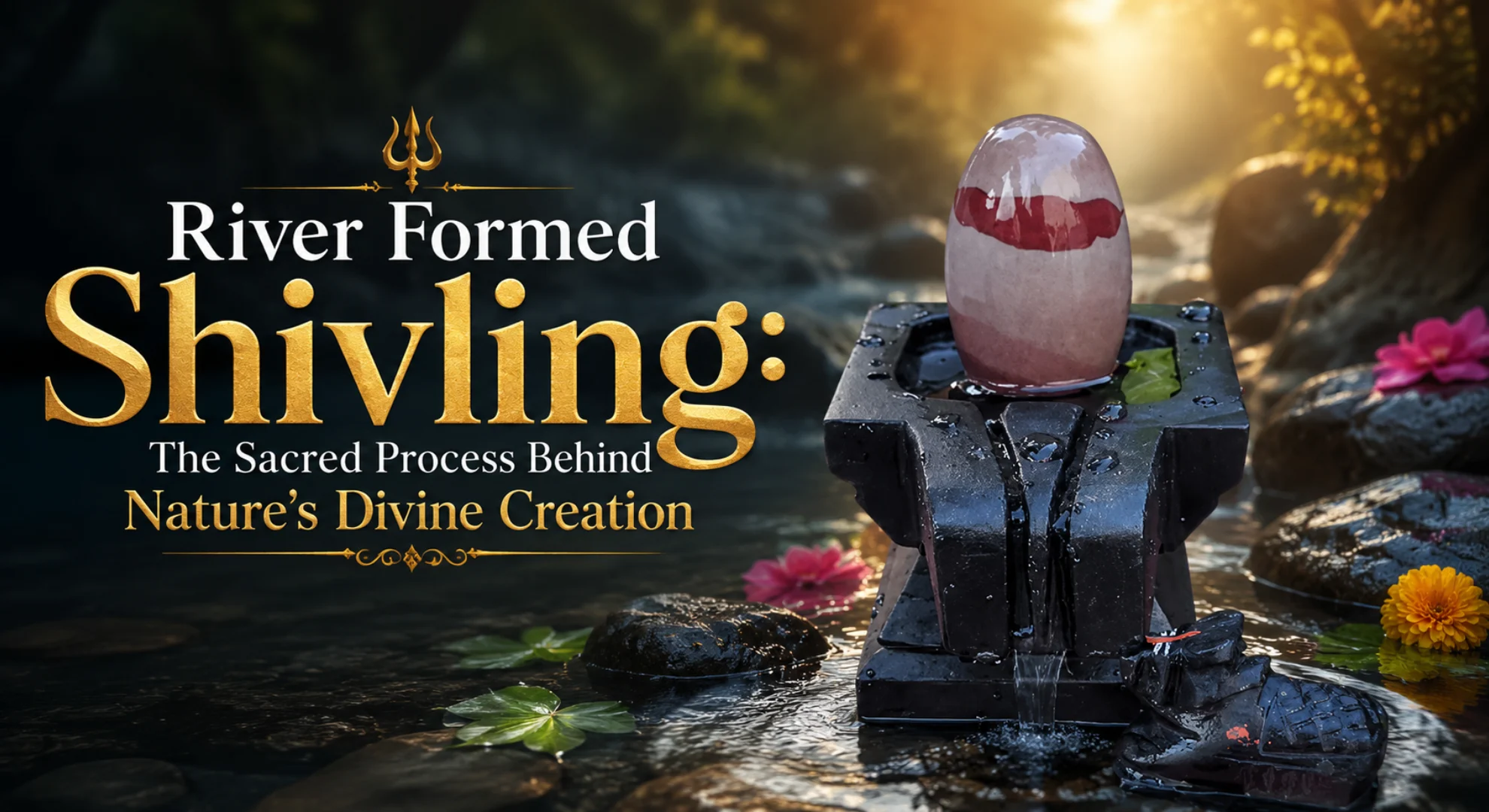

When devotees begin worshipping Lord Shiva through a Shivling, they often concentrate entirely on the sacred stone itself. However, traditional worship does not revolve around the Shivling alone. Several shivling puja accessories complement the central symbol and create a complete spiritual setup. Among these, the Jaladhari and Panchmukhi Naag hold special importance in both temple and home worship.
Although many people assume these accessories serve only decorative purposes, Shastra gives them deep symbolic and practical significance. Each accessory supports spiritual alignment, ritual correctness, and energetic balance. Therefore, understanding the role of shivling puja accessories helps devotees move beyond mechanical worship and engage in meaningful, conscious practice.
This guide explains what Jaladhari and Panchmukhi Naag represent, why they are used, how they support traditional worship, and how to set them up correctly at home.
The Shivling symbolizes the infinite, formless, and eternal consciousness of Lord Shiva. Because it represents cosmic energy rather than a human-like form, the worship structure surrounding it plays an important role in grounding and directing devotion.
In traditional Shaiva practice, shivling puja accessories serve three important purposes:
While devotion remains the foundation of worship, accessories provide structure. Structure enhances discipline, and discipline strengthens spiritual focus.
The word Jaladhari comes from two Sanskrit roots: “Jal,” meaning water, and “Dhari,” meaning holder or carrier. Therefore, Jaladhari literally means “the holder or carrier of water.” In Shivling worship, it refers to the base placed beneath the Shivling.
Although it appears as a simple platform, the Jaladhari plays a central role in both ritual and symbolism. Without it, the Shivling lacks structural balance during abhishek.
Abhishek, the ritual pouring of water, milk, or other sacred substances over the Shivling, forms the heart of Shiva worship. During abhishek, liquids must flow smoothly and exit through a designated channel.
The Jaladhari ensures:
Traditionally, the outlet of the Jaladhari faces north or east. This directional flow aligns with vastu principles and symbolic spiritual energy movement.
Without a Jaladhari, worship can become messy, unstructured, and symbolically incomplete. Therefore, it is considered one of the most important shivling puja accessories.
Beyond practical use, the Jaladhari carries deep spiritual symbolism. It represents Shakti, the divine feminine energy that complements Lord Shiva. In Shaiva philosophy, Shiva represents pure consciousness, while Shakti represents dynamic energy.
When the Shivling rests upon the Jaladhari, it symbolizes the eternal union of Shiva and Shakti. This union reflects cosmic balance between stillness and motion, awareness and manifestation.
Thus, the Jaladhari is not merely a base; it embodies foundational cosmic harmony.
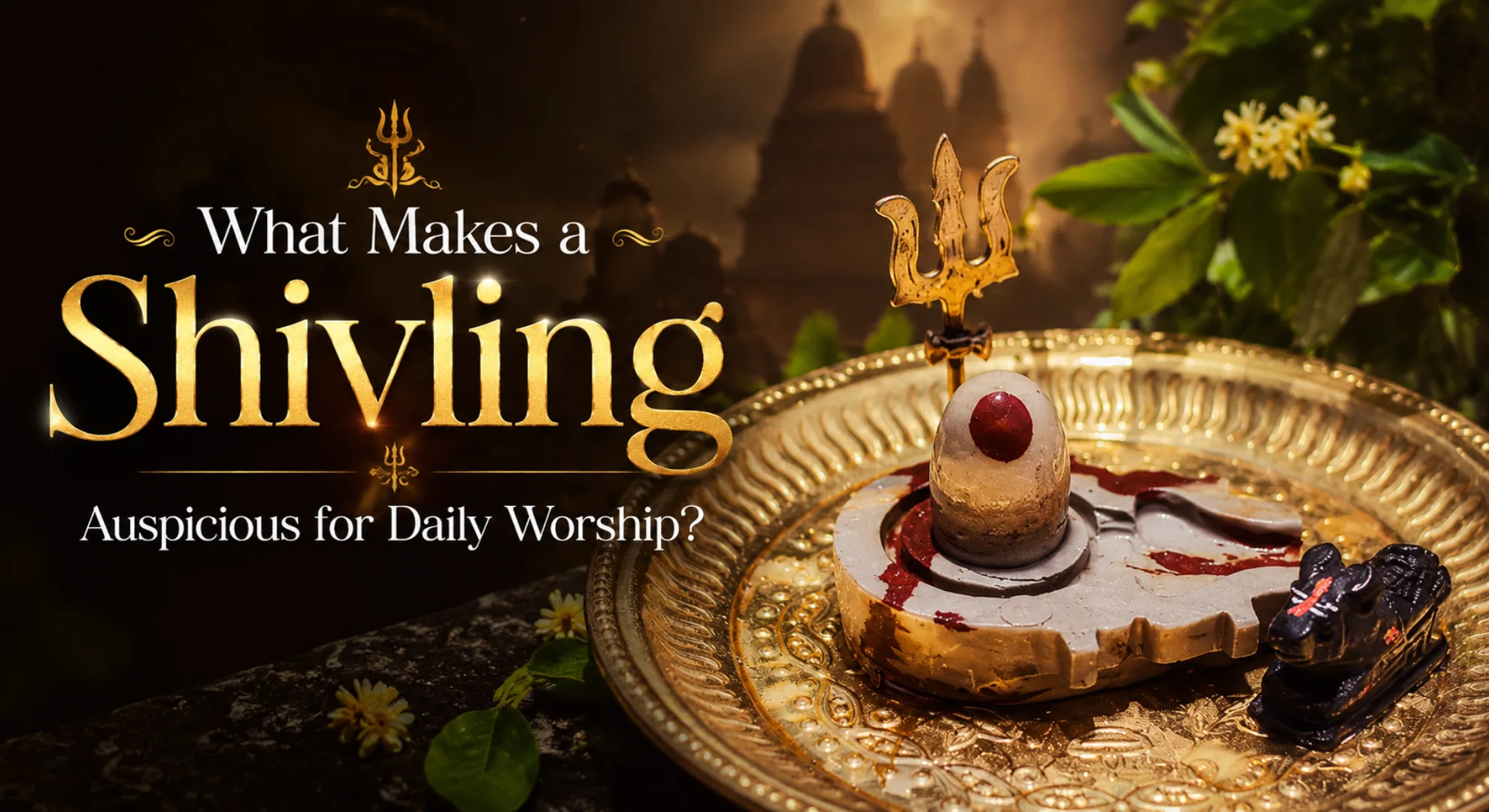
The Panchmukhi Naag refers to a serpent canopy with five hoods placed above or behind the Shivling. “Panch” means five, and “Mukhi” means faced. In Hindu iconography, the serpent represents power, protection, eternity, and spiritual awakening.
Lord Shiva is often depicted wearing serpents around his neck. The serpent signifies mastery over fear, ego, time, and death. Therefore, placing a serpent canopy over the Shivling reinforces Shiva’s yogic and transcendent identity.
The five hoods of the Panchmukhi Naag symbolize multiple spiritual principles:
By placing the Panchmukhi Naag over the Shivling, devotees symbolically acknowledge Shiva’s mastery over all aspects of creation and perception.
Although symbolic, the Panchmukhi Naag also enhances the sacred atmosphere of the altar. It:
In temple environments, serpent canopies appear frequently. Bringing this symbolism into home worship strengthens devotional continuity.
While Shastra allows simple worship without elaborate accessories, incorporating traditional shivling puja accessories enhances discipline and alignment.
For example:
Accessories also reduce common worship mistakes, especially those related to placement and ritual structure.
For deeper understanding about authenticity in Shivling selection, read:
https://narmdeshwarshivling.com/why-original-narmada-shivling-is-rare-how-to-avoid-artificial-ones/
Authenticity combined with proper accessories strengthens spiritual confidence.
Place the Shivling setup in the north-east (Ishaan Kon) direction of your home temple. This direction governs spiritual clarity and positive energy flow.
Position the Jaladhari securely. Ensure that the water outlet channel faces north or east. This alignment follows traditional guidance.
Carefully place the Shivling in the center of the Jaladhari. Ensure it remains stable and upright.
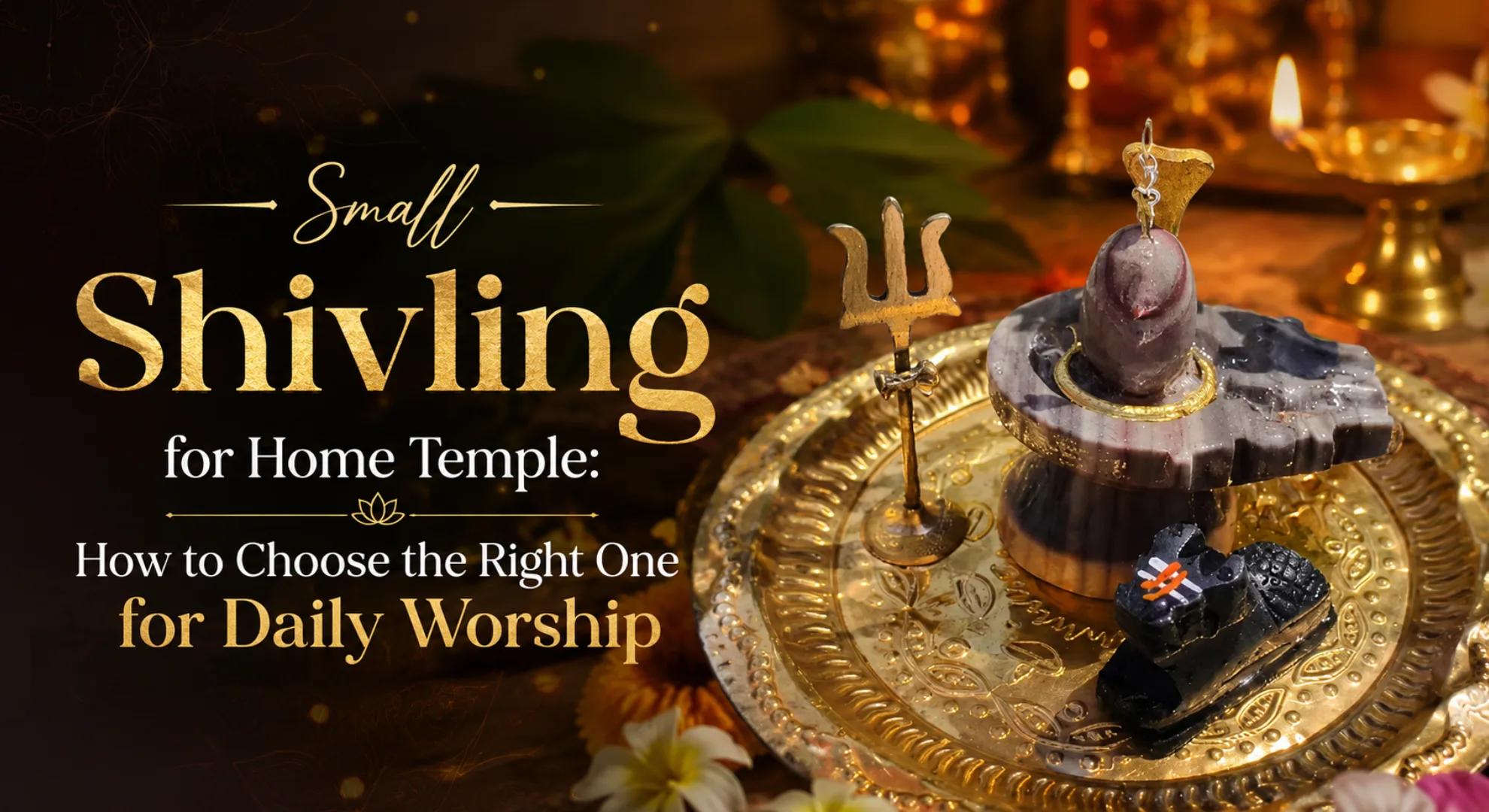
A refined example combining natural stone and traditional design is the Natural Narmadeshwar Shivling with Brass Snake Hood:
https://narmdeshwarshivling.com/product/natural-narmadeshwar-shivling-with-brass-snake-hood-original-narmada-river-stone-shivling-for-home-temple-and-puja/
This setup integrates both Jaladhari and Panchmukhi Naag symbolism.
Place the serpent canopy behind or above the Shivling so that it appears to protect and shelter it. The hood should cover the upper portion respectfully.
After setup, perform simple daily worship with water abhishek, bilva leaves, flowers, and mantra chanting.
Shastra prioritizes devotion over material arrangement. Therefore, accessories are not mandatory for spiritual connection.
However, traditional practice encourages structured worship. Using shivling puja accessories:
Thus, while not compulsory, they are highly recommended.
Devotees sometimes make errors such as:
Awareness of these mistakes helps maintain balance between symbolism and sincerity.
Because the market contains many decorative imitations, devotees should choose sellers who focus on authentic Narmada Shivlings and traditional designs.
Explore genuine options here:
https://narmdeshwarshivling.com/shop/
Authentic sourcing ensures durability, spiritual alignment, and long-term worship suitability.
What are the main shivling puja accessories?
Jaladhari (base) and Panchmukhi Naag (serpent canopy).
Is Jaladhari mandatory for home worship?
Not mandatory, but highly recommended for cleanliness and tradition.
What does Panchmukhi Naag symbolize?
Protection, awakened consciousness, and mastery over the five elements.
Can I worship Shivling without accessories?
Yes. Devotion matters most, but accessories enhance structure.
Which direction should Jaladhari face?
Traditionally north or east.

Discover the divine power of authentic Narmadeshwar Shivlings, crafted from the sacred Narmada River stone.
+91-9165667897
luckykewat932@gmail.com
Bakawan Madhya Pradesh
Copyright © All Right Reserved