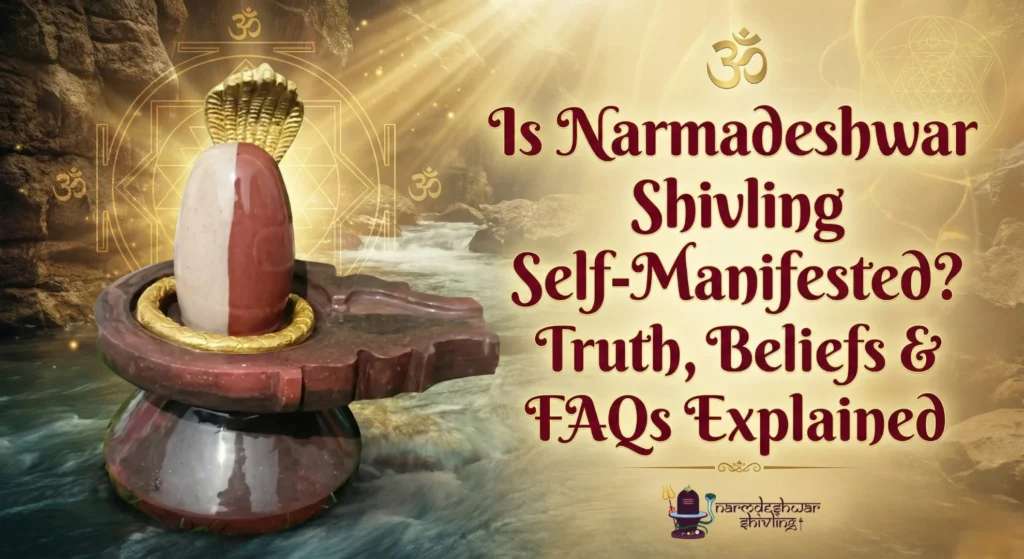
The narmadeshwar shivling holds a special place in Hindu spirituality because nature itself shapes it. Unlike carved shivlings created by artisans, devotees find this sacred stone naturally in the holy Narmada River. As a result, many believers associate the shivling directly with divine creation rather than human craftsmanship.
Over thousands of years, the river continuously moves stones along its bed. Because of this constant motion, water erosion and mineral interaction gradually shape certain stones into oval and cylindrical forms. These shapes closely resemble the traditional Shiva Lingam. Therefore, devotees regard the narmadeshwar shivling as a naturally occurring symbol of Lord Shiva.
In Hindu tradition, the term self-manifested or swayambhu refers to a sacred form that appears naturally without human effort. In other words, no sculptor, tool, or ritual creates it. The narmadeshwar shivling fits this definition because nature alone forms it.
Moreover, devotees believe that such a shivling already carries divine energy. Because of this belief, many followers do not perform pran-pratishtha rituals. Instead, they worship it directly with devotion. As a result, the narmadeshwar shivling becomes an accessible and spiritually powerful form of Shiva worship for households.
Ancient Hindu scriptures strongly support the spiritual importance of the narmadeshwar shivling. For example, texts such as the Shiva Purana and Skanda Purana describe the Narmada River as eternally sacred. According to these texts, stones originating from this river naturally possess purity and divine energy.
Additionally, scriptures state that worshipping a shivling from the Narmada provides spiritual merit comparable to worshipping Jyotirlingas. Because of this belief, saints and sages have recommended the narmadeshwar shivling for both household and temple worship. Consequently, its status as a self-manifested form has remained strong across generations.
From a scientific perspective, natural processes explain how the narmadeshwar shivling forms. Continuous water flow, mineral-rich sediments, and friction gradually smooth and shape river stones. Over time, these natural forces produce the distinctive form associated with the shivling.
However, science does not contradict spiritual belief. Instead, it explains the physical process while spirituality explains the meaning behind it. Therefore, many devotees view nature as the divine instrument through which Lord Shiva manifests his form.
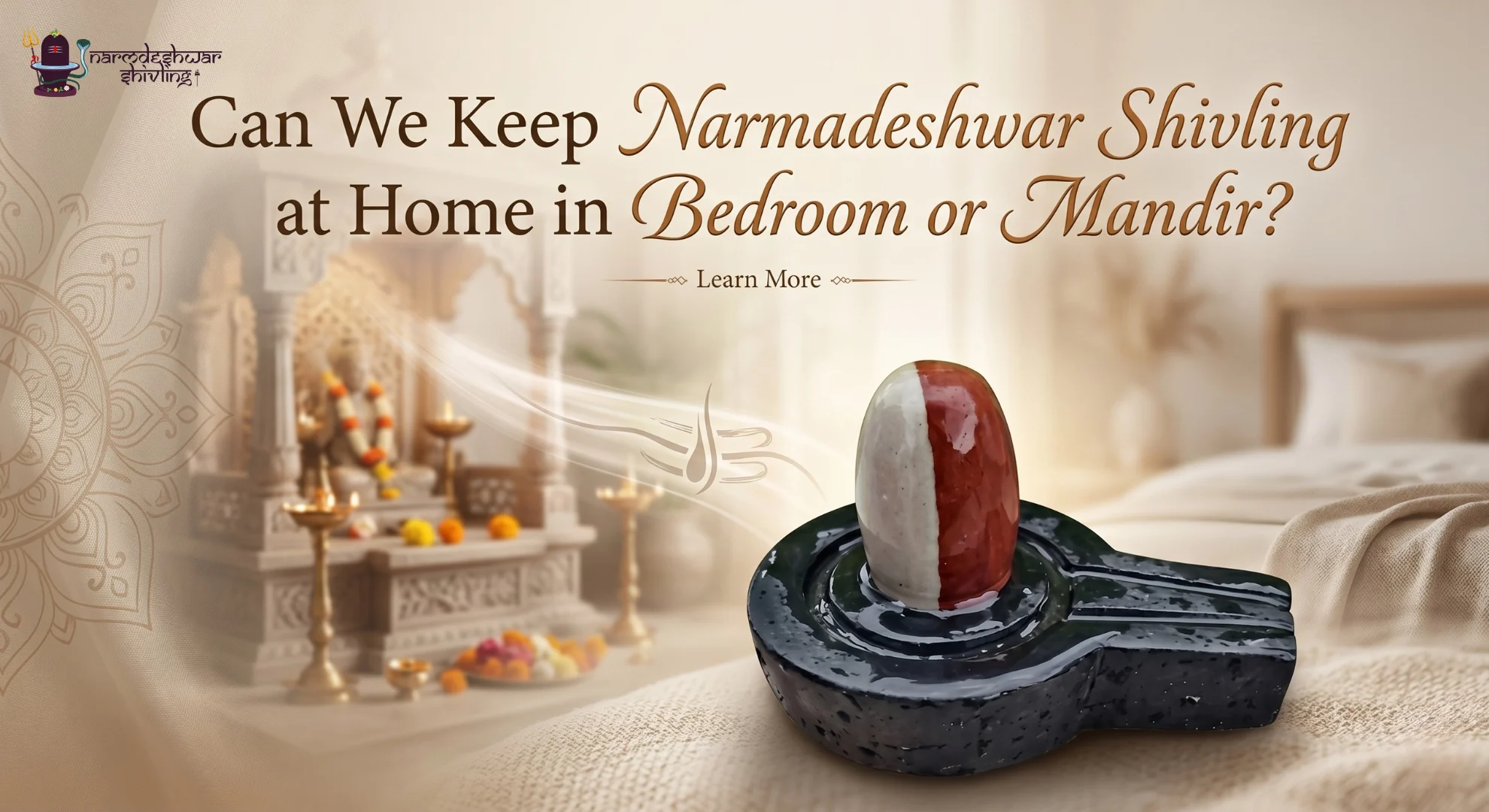
Understanding this difference helps devotees choose an authentic object of worship. A narmadeshwar shivling forms naturally and retains an organic surface. It often appears uneven or subtly polished by water rather than tools. Because nature shapes it, devotees consider it spiritually complete.
In contrast, artisans carve artificial shivlings from stone, crystal, or metal. These shivlings usually require ritual energization. While they remain suitable for worship, they do not carry the same belief of self-manifestation. Therefore, many devotees prefer a genuine narmadeshwar shivling for spiritual practices.
Yes, devotees widely accept the narmadeshwar shivling for home worship. Unlike large temple shivlings that follow strict ritual guidelines, this sacred stone allows flexible daily puja. As a result, households can worship it with simple offerings such as water, milk, flowers, and mantras.
Moreover, many families choose symbolic forms like the Ardhnarishwar Shivling, which represents balance between Shiva and Shakti. You can explore an authentic piece here:
https://narmdeshwarshivling.com/product/ardhnarishwar-shivling-dual-tone-narmadeshwar-stone/
Several myths surround the narmadeshwar shivling. One common misconception claims that devotees should not keep it at home. However, scriptures and traditional practices clearly allow household worship when done with devotion.
Another myth suggests that only saints or priests can worship it. In reality, anyone with faith and respect can perform puja. Therefore, accessibility and simplicity define the worship of the narmadeshwar shivling rather than rigid rules.
Due to rising demand, many sellers offer imitation stones. Because spiritual significance depends on natural origin, authenticity matters greatly. Artificial polishing or reshaping reduces the traditional value of the stone.
Therefore, buyers should look for naturally formed stones with organic textures. Purchasing from a trusted source ensures spiritual authenticity. You can explore genuine options here:
https://narmdeshwarshivling.com/shop/
Devotees believe that regular worship of a narmadeshwar shivling promotes peace, emotional balance, and spiritual clarity. Moreover, many followers associate it with the removal of negative energy from the home.
Additionally, worship encourages discipline, devotion, and mindfulness. As a result, devotees experience spiritual growth and stronger connection with Lord Shiva over time.
For detailed guidance on home worship rules, benefits, and myths, read this resource:
https://narmdeshwarshivling.com/narmada-shivling-for-home-puja-rules-benefits-common-myths/
This article provides practical insights that complement the spiritual understanding of the narmadeshwar shivling.
Yes. Nature forms it naturally in the Narmada River without human carving, which defines it as self-manifested.
No. Devotees believe it already contains divine energy.
Yes. Scriptures place no restrictions based on gender.
Look for natural texture, organic shape, and reliable sourcing.
Yes. Simple daily worship with water and mantras is sufficient.
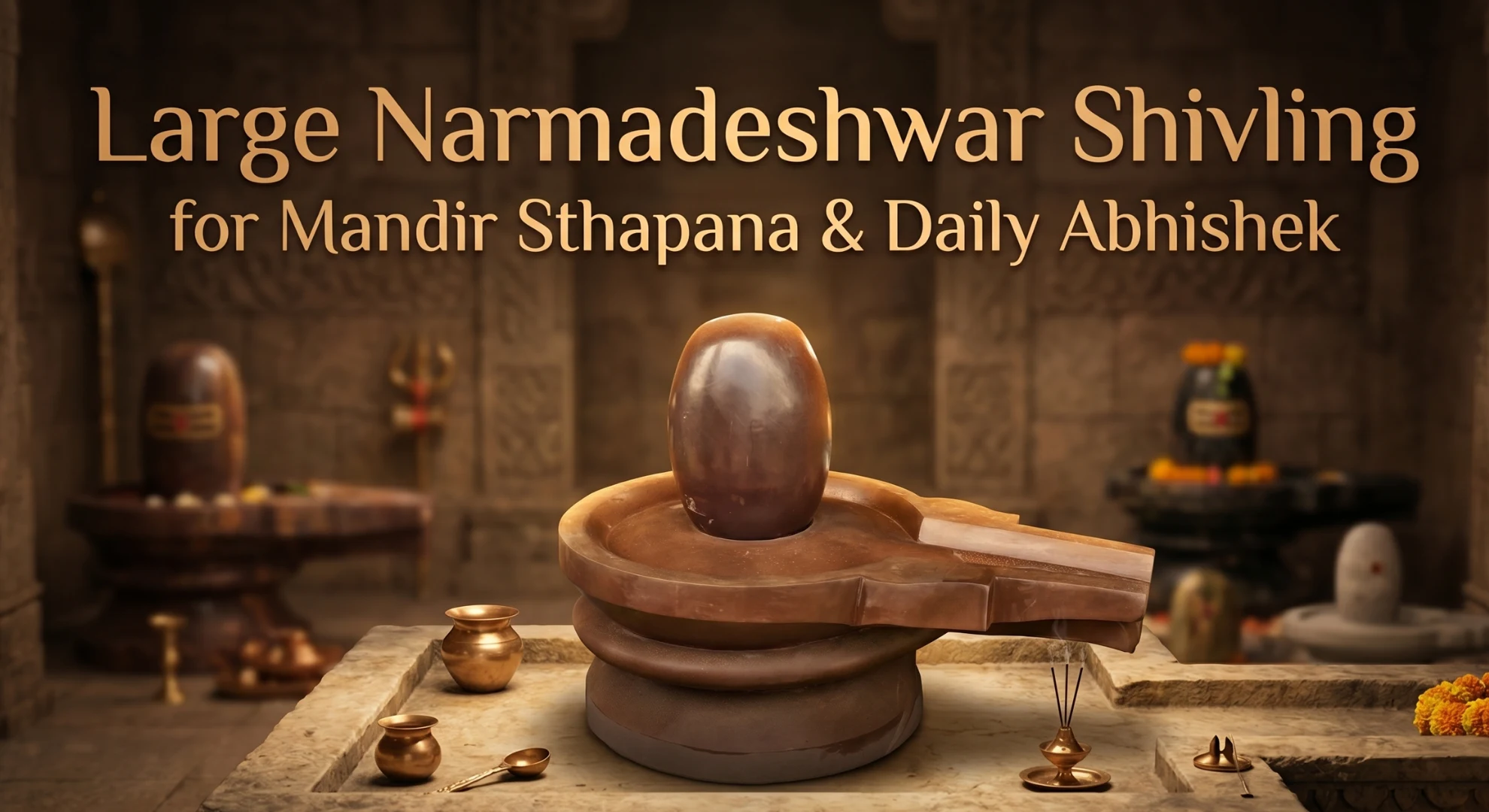

Discover the divine power of authentic Narmadeshwar Shivlings, crafted from the sacred Narmada River stone.
+91-9165667897
luckykewat932@gmail.com
Bakawan Madhya Pradesh
Copyright © All Right Reserved