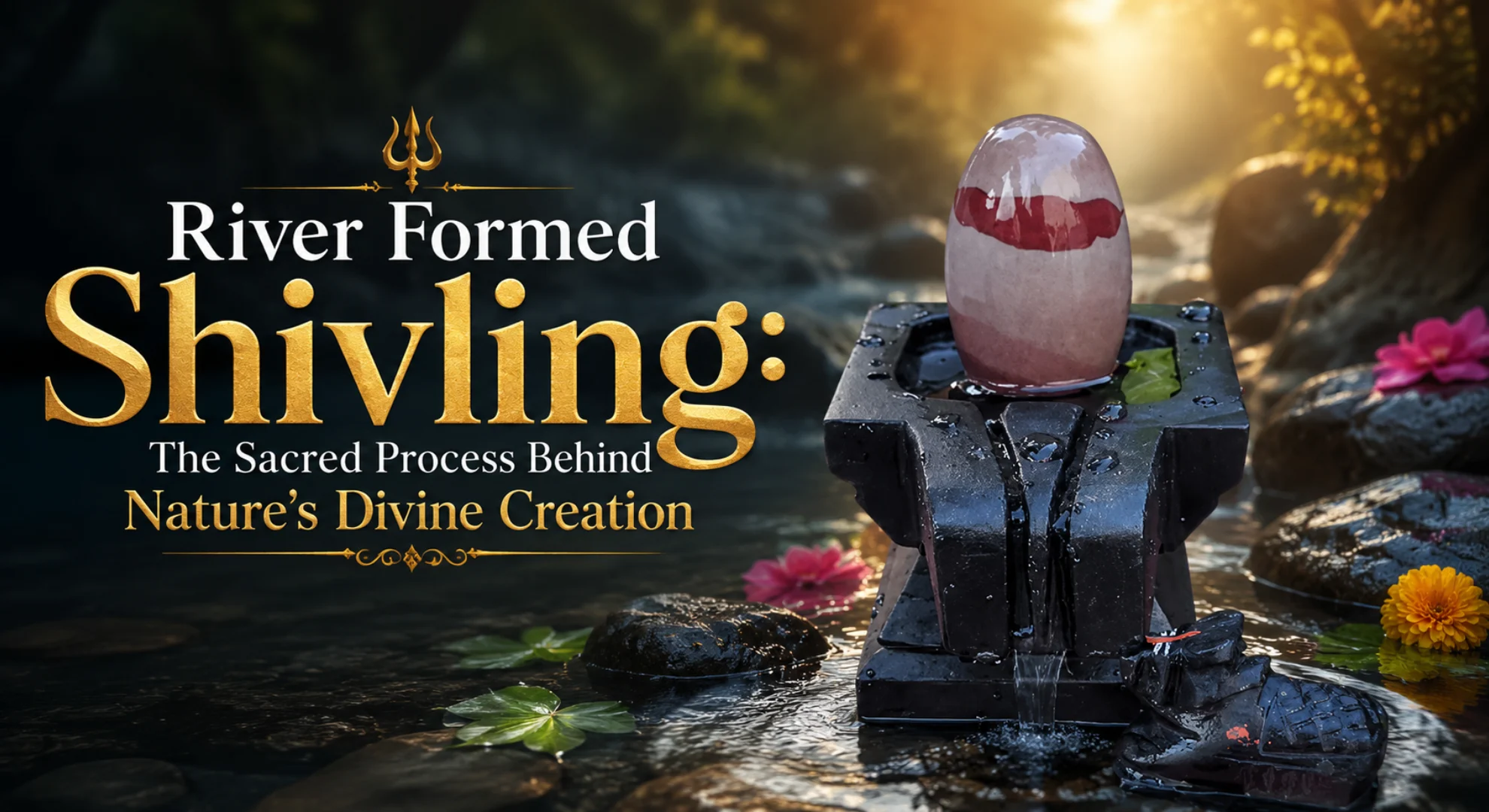
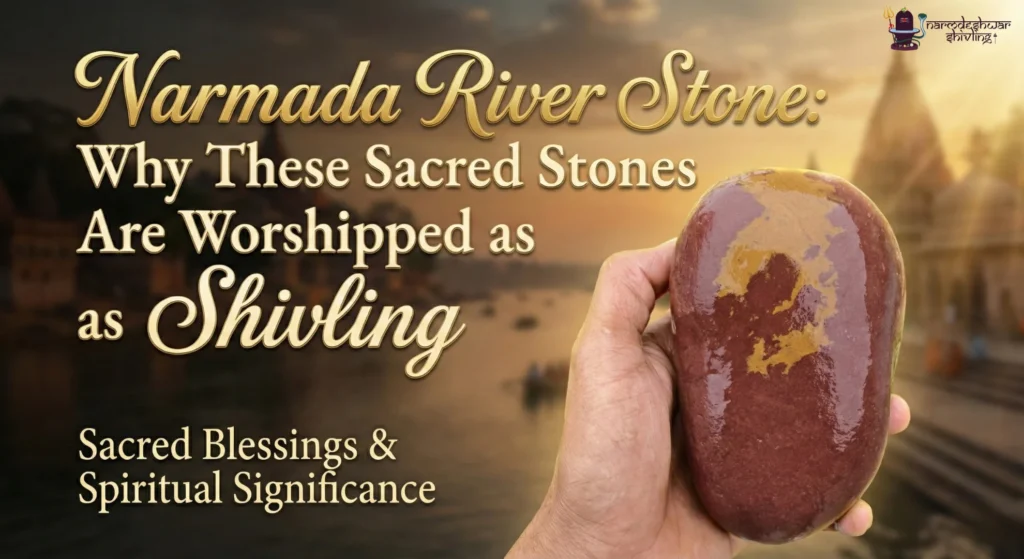
The Narmada river stone holds an extraordinary position in Hindu spirituality because it represents a rare union of nature, divinity, and devotion. Unlike carved idols or temple-installed Shivlings, these sacred stones emerge naturally from the holy Narmada River and are worshipped in their original form. Devotees believe that Lord Shiva himself resides eternally within these stones, making them living symbols of divine presence rather than symbolic representations.
For centuries, saints, sages, and householders have worshipped Narmada river stones as Shivling without altering their natural form. Even today, spiritual seekers value these stones for their purity, simplicity, and powerful spiritual vibrations. This guide explains why the narmada river stone is worshipped as Shivling, how scriptures describe its sanctity, how nature forms these stones, and why devotees consider them superior to artificially created Shivlings.
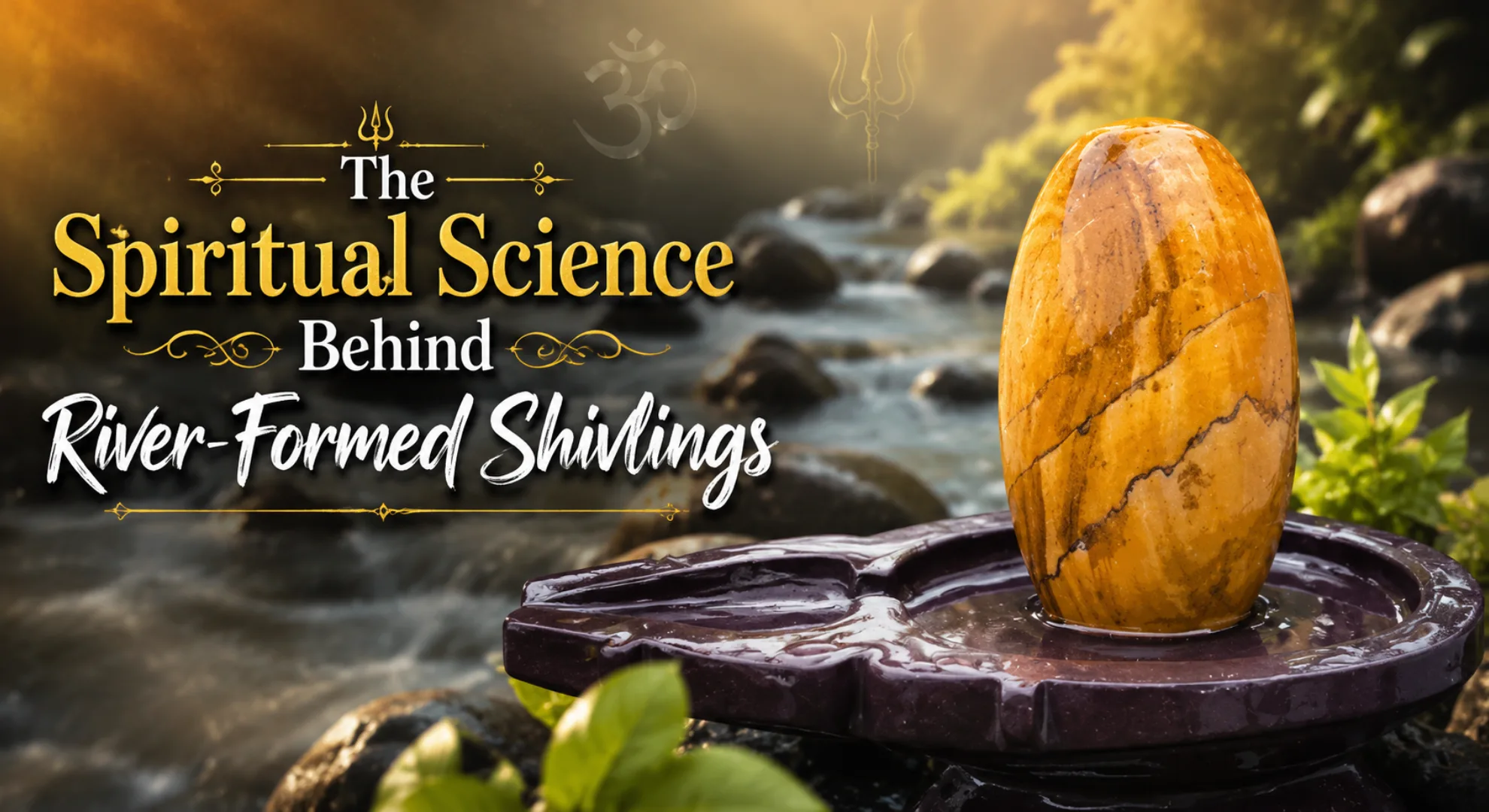
A narmada river stone is a naturally occurring sacred stone found along the riverbed and banks of the Narmada River. Over thousands of years, the constant movement of flowing water, pressure from sediment, and interaction with minerals slowly shape these stones into smooth, oval, or cylindrical forms. Many of these naturally formed stones resemble the shape of a Shivling without any human intervention.
Unlike ordinary stones used for construction or decoration, Narmada river stones form in a spiritually charged environment. Nature alone shapes them, polishes them, and energizes them. Because no tools, machines, or carving techniques alter these stones, devotees recognize them as Swayambhu, meaning self-manifested forms of divinity.
Hindu scriptures describe the Narmada River as one of the holiest rivers in India. According to spiritual belief, Lord Shiva granted a divine boon that his presence would remain permanently within the stones of this sacred river. As a result, every authentic Narmada river stone carries deep spiritual symbolism.
Devotees believe that:
This belief separates Narmada river stones from stones found in other rivers. While other river stones may look similar, they do not carry the same scriptural and spiritual recognition.
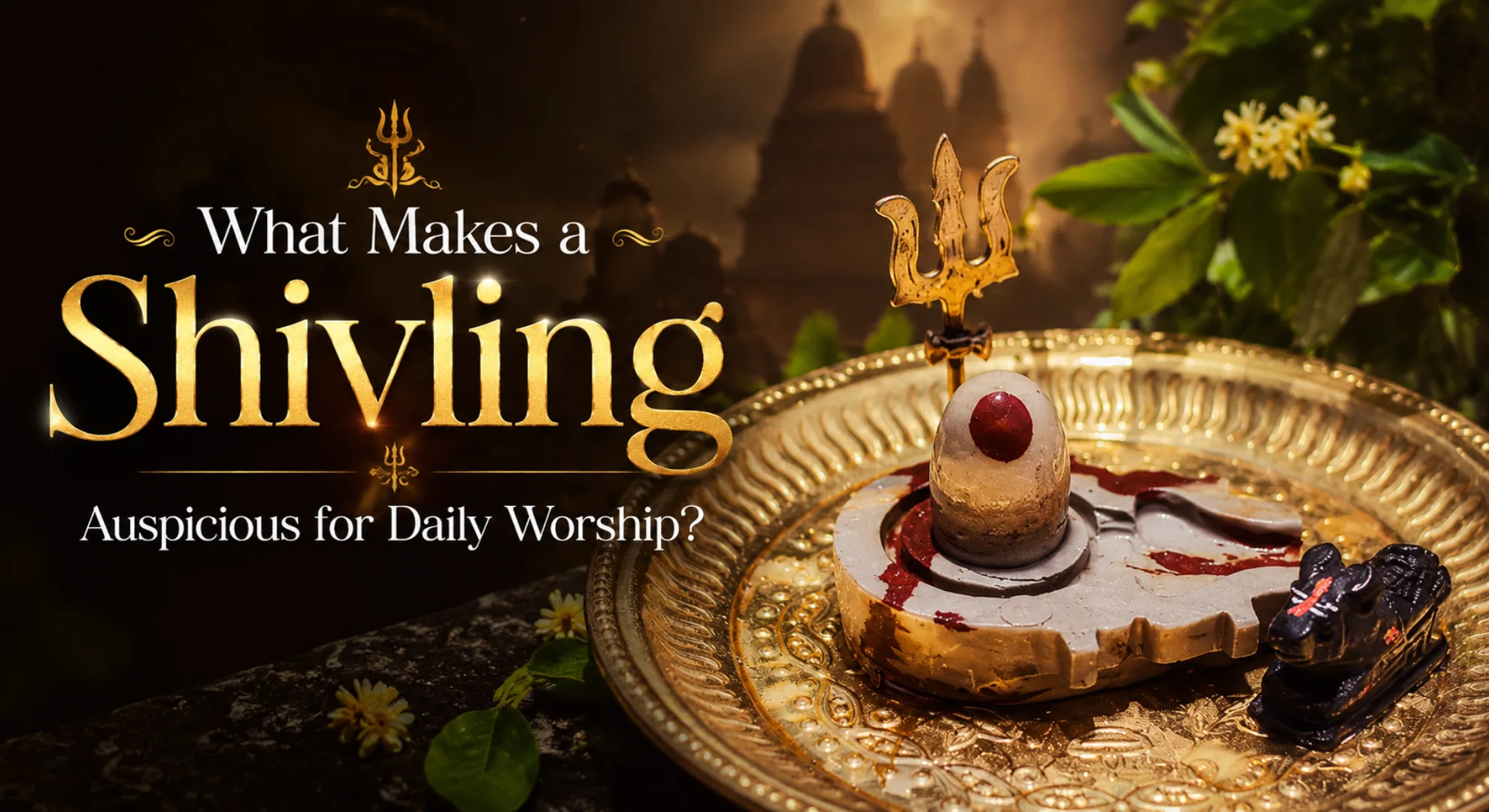
The Shivling symbolizes the formless, eternal nature of Lord Shiva. Long before temples and sculpted idols existed, devotees worshipped natural forms of divinity found in nature. Because narmada river stones naturally form in a lingam-like shape, ancient sages recognized them as ideal representations of Shiva’s cosmic form.
Shastra explains that worshipping a naturally formed Shivling holds greater spiritual value than worshipping a carved one. Nature itself performs the act of creation, which aligns perfectly with Shiva’s role as the cosmic source. Therefore, Narmada river stones became one of the earliest and purest forms of Shivling worship in Hindu tradition.
Ancient texts such as the Shiva Purana, Skanda Purana, and regional spiritual traditions repeatedly praise the Narmada River and its stones. These scriptures describe the Narmada as a river where Lord Shiva eternally resides in both visible and invisible forms.
According to Shastra:
Because of this, saints and wandering monks often carried Narmada river stones with them for daily worship, meditation, and protection.
Nature shapes Narmada river stones through a slow and sacred process that spans centuries. As stones travel along the riverbed, flowing water gradually smoothens sharp edges. Minerals present in the river deposit layers over time, adding density and unique textures.
This natural formation process results in:
No two Narmada river stones look identical. Each stone carries a unique shape and pattern, which further confirms its natural origin and spiritual authenticity.
Worshipping a narmada river stone as Shivling brings deep spiritual benefits when done with sincerity and regularity. Because these stones form naturally in a sacred river, they continuously radiate subtle spiritual vibrations.
Devotees often experience:
Moreover, these stones respond positively to even simple devotion. Elaborate rituals are not necessary, which makes them ideal for both spiritual seekers and household worshippers.
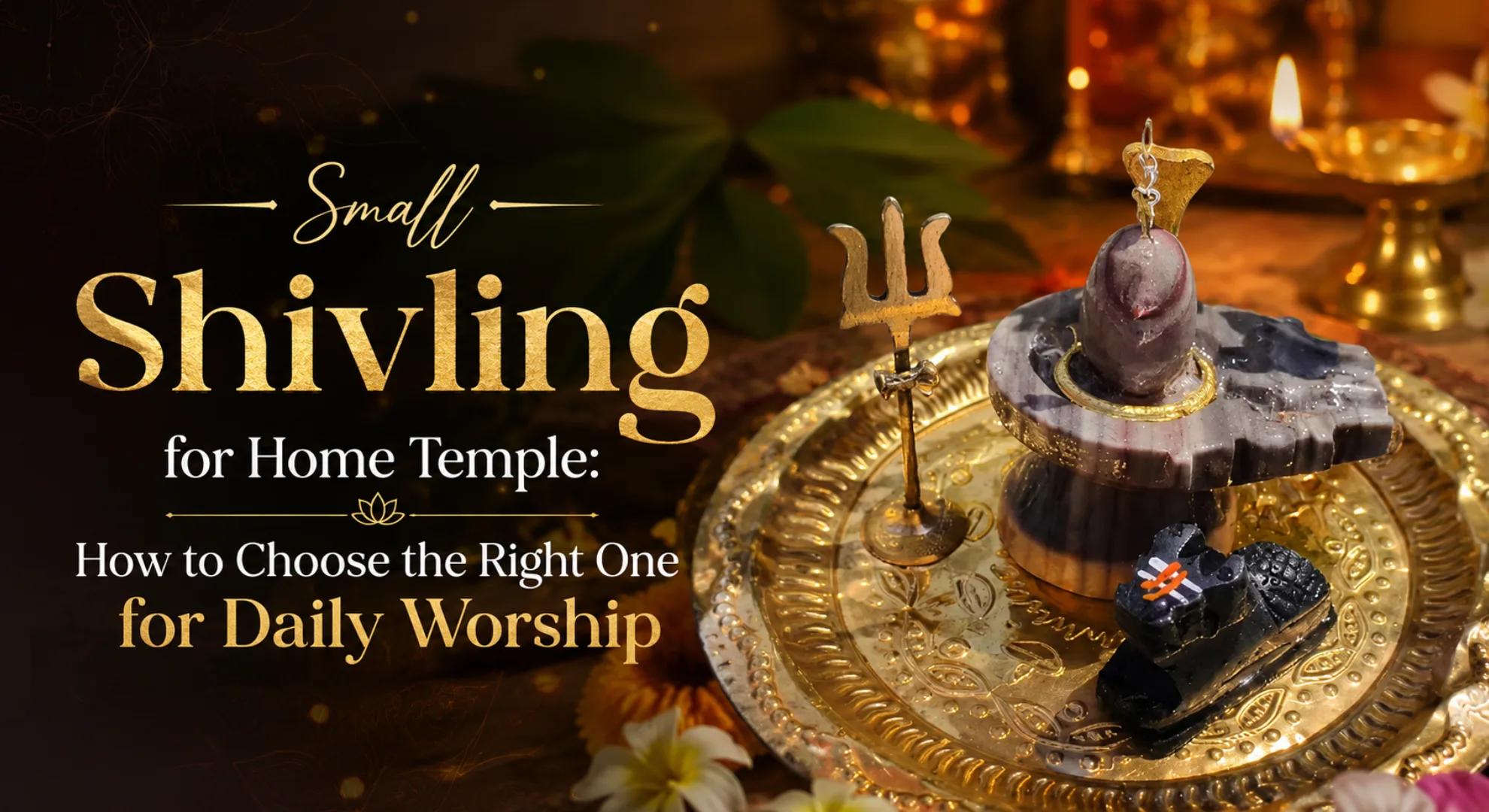
Many devotees prefer Narmada river stones for home worship because Shastra allows simple, fear-free devotion with them. Unlike large temple Shivlings, these stones do not require strict ritual discipline.
As a result, householders can worship Lord Shiva consistently without anxiety or ritual pressure.
The Narmadeshwar Shivling represents a refined continuation of Narmada river stone worship. While some stones naturally resemble Shivling shapes, others undergo minimal shaping to enhance stability without disturbing their natural energy.
To understand authenticity and identification clearly, you can read:
https://narmdeshwarshivling.com/original-narmada-shivling-how-to-identify-authentic-shivling-from-narmada-river/
This guide explains how natural stones become worship-ready Shivlings while preserving their sacred nature.
Authenticity remains crucial for spiritual worship. A genuine narmada river stone displays clear natural characteristics that artificial stones cannot replicate.
Artificial stones often appear glossy, symmetrical, or unusually lightweight, which indicates human alteration.
Shastra emphasizes devotion over complexity when worshipping Narmada river stones. A calm and consistent daily routine brings spiritual alignment.
Even a few minutes of daily worship helps cultivate discipline, clarity, and inner peace.
When choosing a stone, devotees should focus on authenticity rather than size or appearance. A smaller stone can be just as spiritually powerful as a larger one if it is genuine.
For devotees who prefer untouched forms, the Natural Narmadeshwar Stone (Unmounted Sacred River Stone) offers pure and natural worship without alteration:
https://narmdeshwarshivling.com/product/natural-narmadeshwar-stone-unmounted-sacred-river-stone-for-shivling-worship/
Such stones preserve the complete spiritual energy of the river.
Due to growing demand, many artificial stones are sold under misleading names. Therefore, devotees should purchase only from trusted sellers who specialize exclusively in authentic Narmada stones.
You can explore verified collections here:
https://narmdeshwarshivling.com/shop/
Authentic sellers emphasize spiritual guidance, transparency, and natural sourcing rather than exaggerated claims.
Many people believe that worshipping river stones requires strict priestly rituals or complex rules. However, Shastra does not promote fear-based worship.
Instead, it encourages:
Spiritual growth depends on devotion and awareness, not ritual pressure.
What is a Narmada river stone?
It is a naturally formed sacred stone found in the Narmada River and worshipped as Shivling.
Why are Narmada river stones worshipped as Shivling?
Because Shastra considers them self-manifested forms of Lord Shiva.
Do Narmada river stones require pran-pratishtha?
No. They are naturally energized by the sacred river.
Can Narmada river stones be kept at home?
Yes. They are ideal for peaceful and simple home worship.
Does size affect spiritual power?
No. Devotion and authenticity matter more than size.
Discover the divine power of authentic Narmadeshwar Shivlings, crafted from the sacred Narmada River stone.
+91-9165667897
luckykewat932@gmail.com
Bakawan Madhya Pradesh
Copyright © All Right Reserved