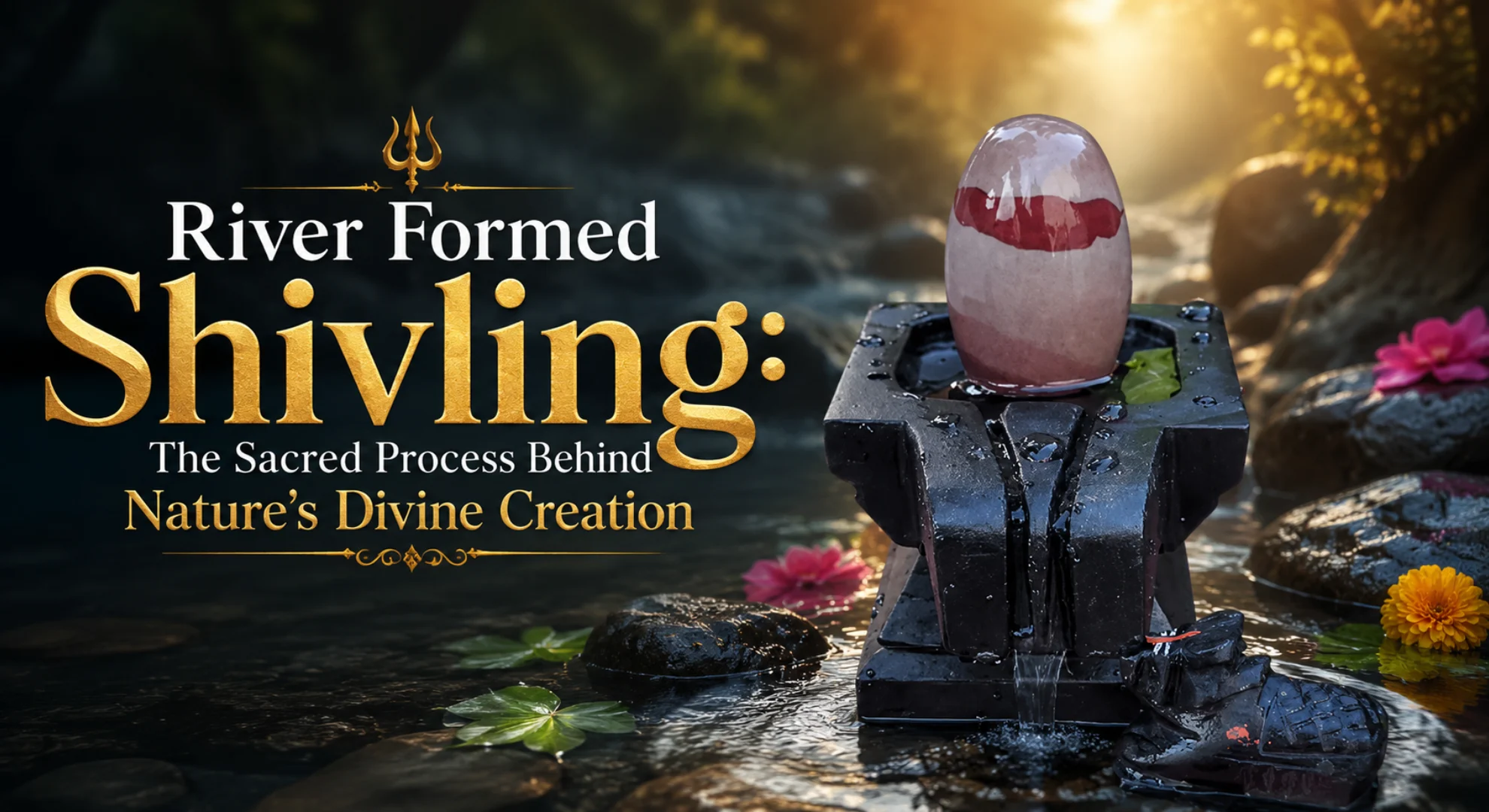
Many devotees want to understand the spiritual importance of the Narmadeshwar Shivling and its role in Hindu worship. This sacred stone originates exclusively from the holy Narmada River and represents Lord Shiva in a natural, self-manifested form.
Unlike crafted Shivlings, devotees worship this sacred stone in its original state. As a result, it holds a special place in daily rituals, meditation, and home puja. This article explains its meaning, sacred origin, and spiritual relevance in a clear and practical way.
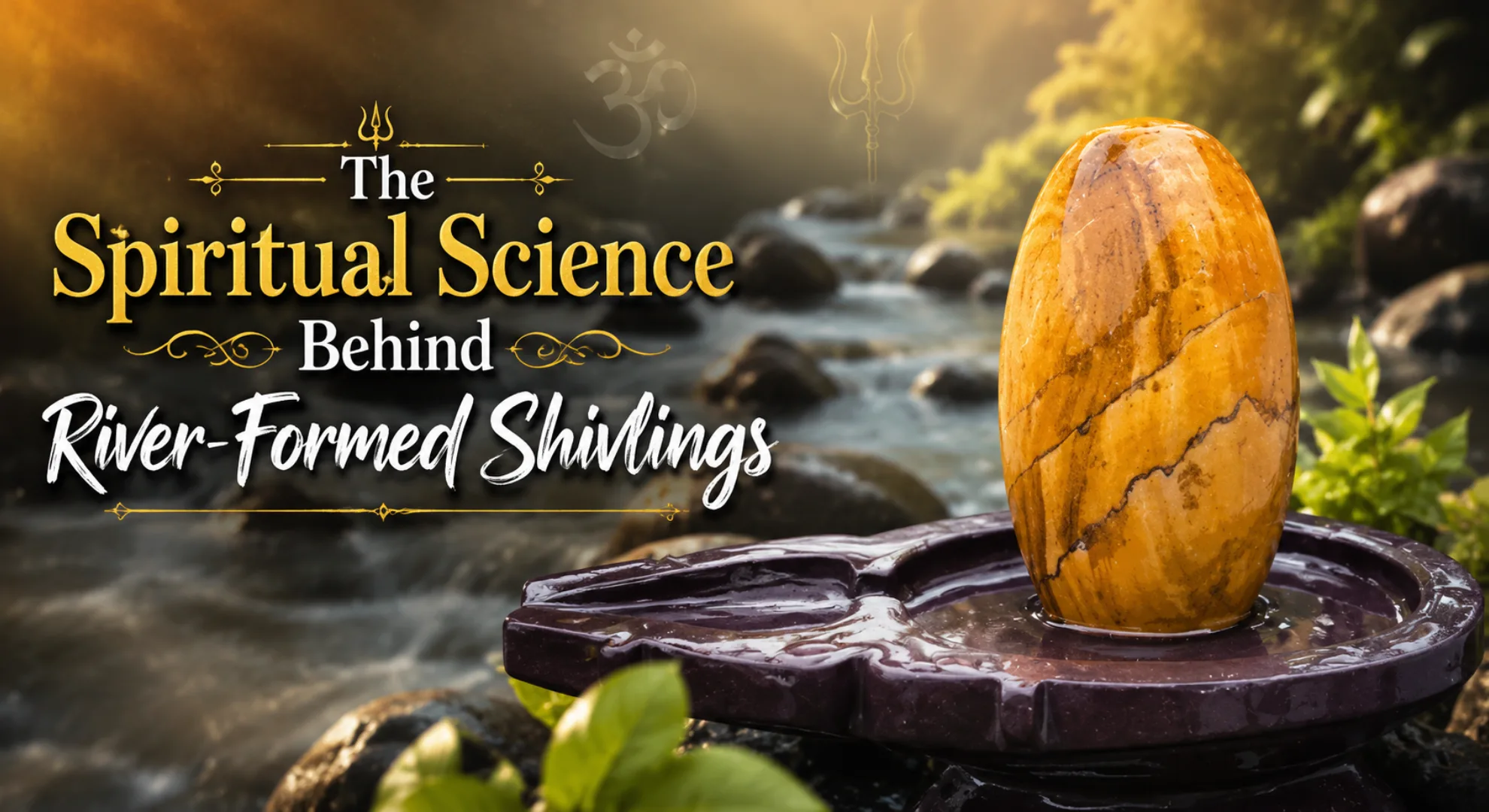
The Narmadeshwar Shivling forms naturally over centuries due to the constant flow of the Narmada River. Over time, water pressure and movement shape the stones into smooth, oval forms.
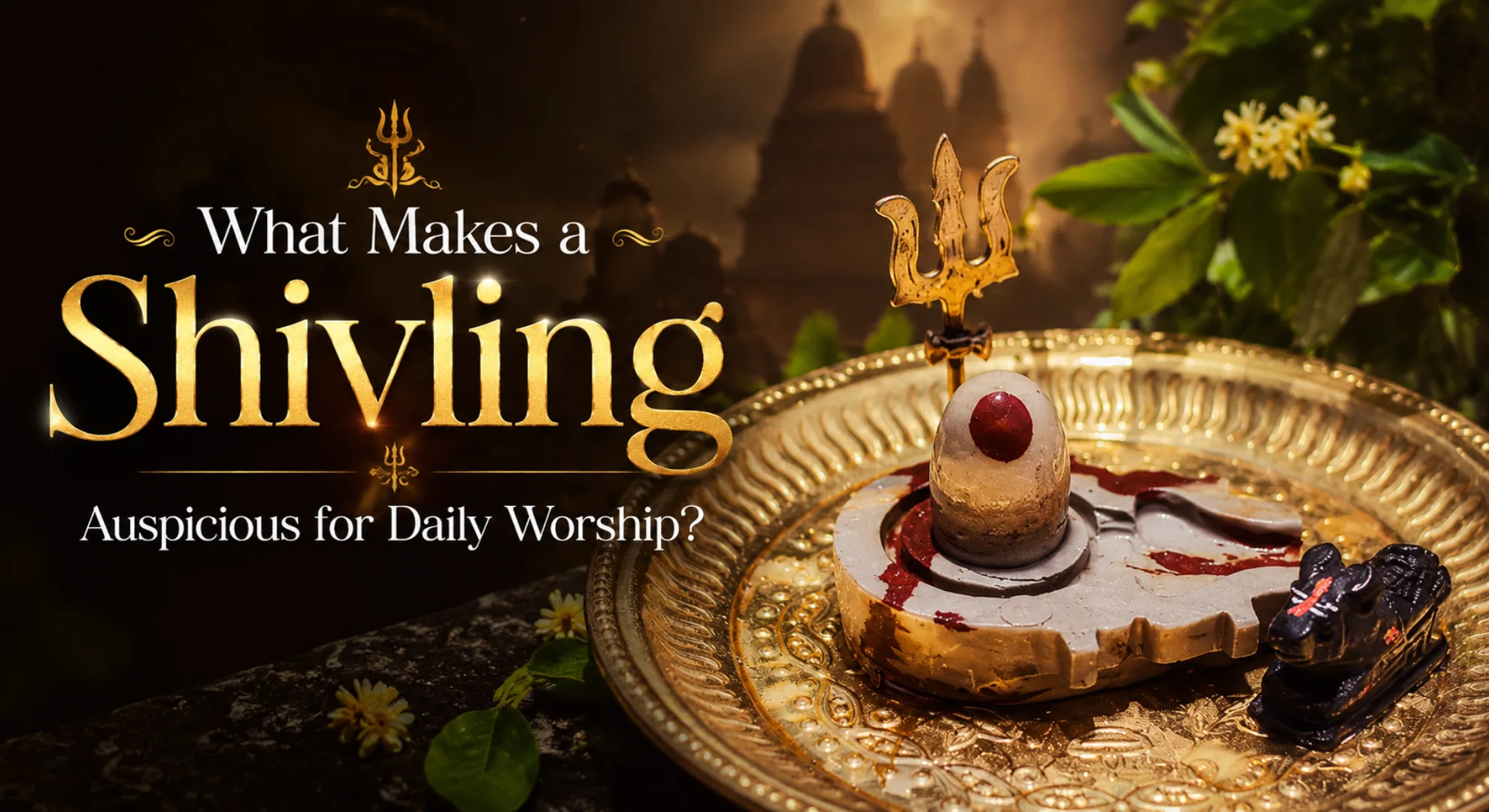
Because humans do not carve or alter these stones, devotees consider them Swayambhu manifestations of Lord Shiva. Therefore, worshippers can begin puja immediately without performing additional rituals.
The term comes from two Sanskrit words:
Together, the name signifies Lord Shiva’s eternal presence within the Narmada River. Moreover, the Shivling symbolizes balance, creation, and universal consciousness. For this reason, devotees associate it with inner stability and spiritual clarity.
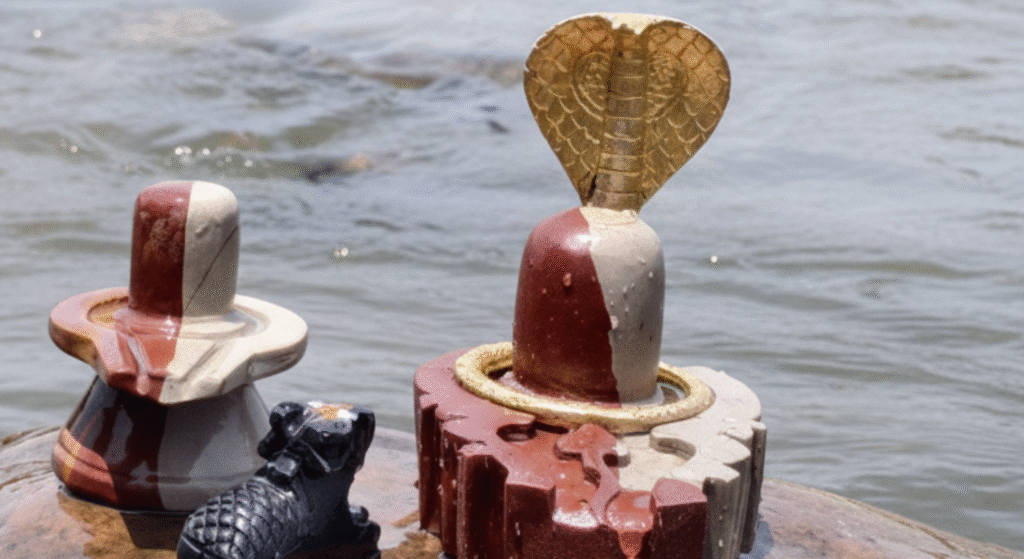
Ancient Hindu scriptures describe the Narmada as one of the most powerful spiritual rivers. According to legend, Lord Shiva blessed the river with his divine presence. As a result, sacred stones began appearing naturally along its banks.
Over centuries, continuous river flow shaped these stones into Shivling forms. Consequently, devotees regard them as direct manifestations of Shiva’s energy rather than symbolic representations.
Devotees value the Narmadeshwar Shivling for its strong spiritual influence. Regular worship helps devotees:
Furthermore, its natural form makes it suitable for both beginners and experienced spiritual practitioners.
Many families choose this Shivling for home worship because it supports simple and consistent rituals. For example:
Therefore, it aligns perfectly with modern spiritual lifestyles.
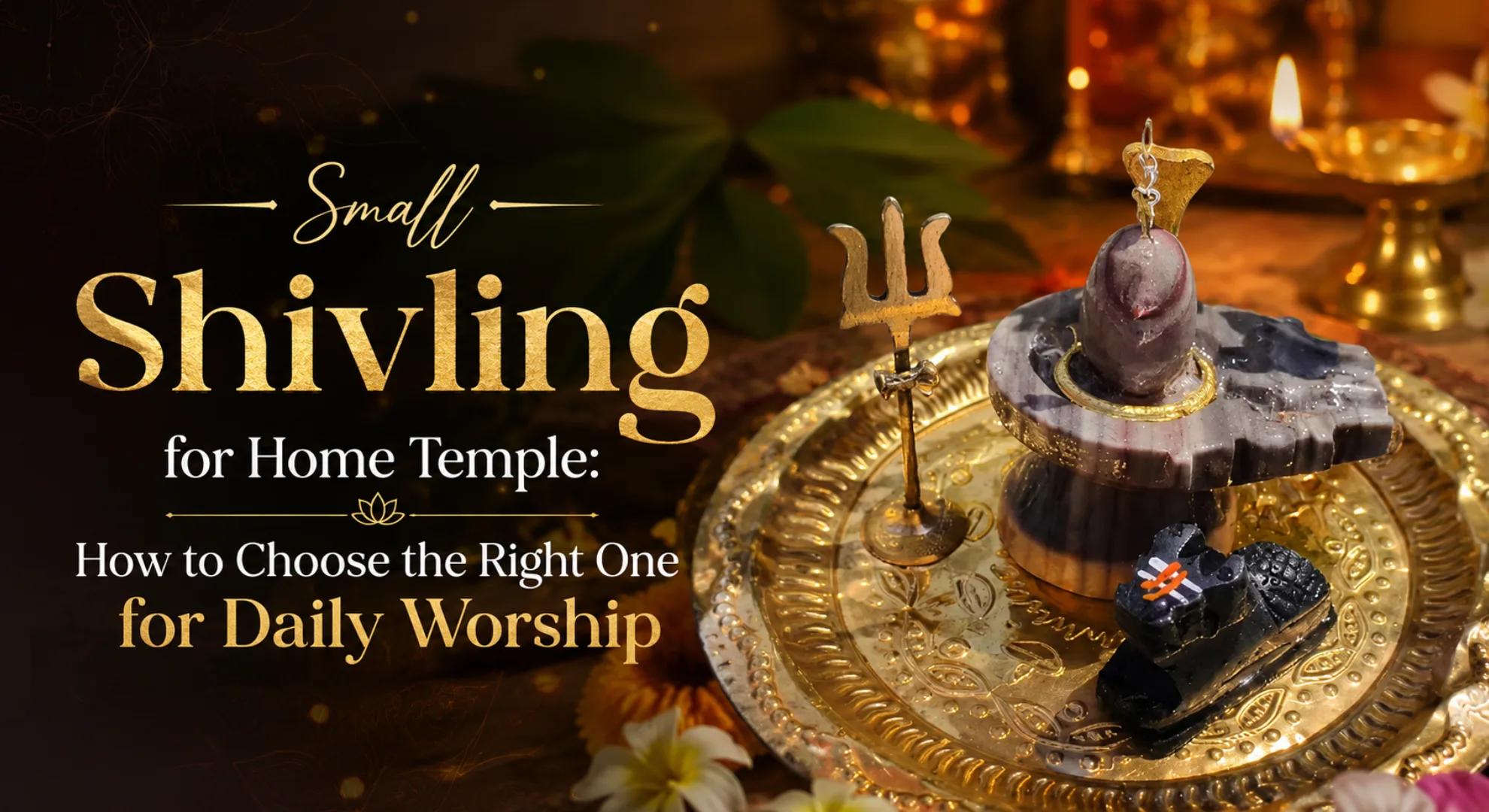
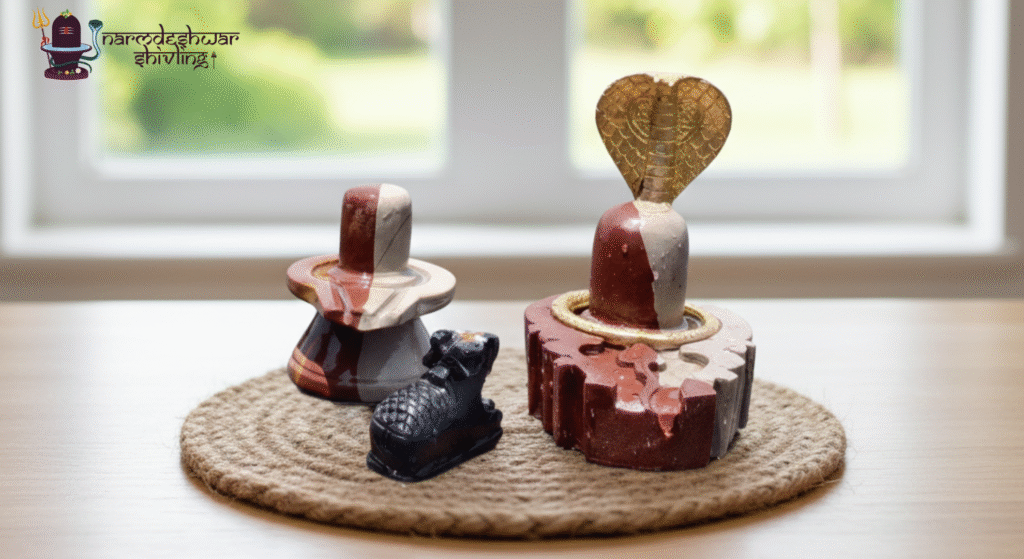
Shaivite tradition often includes Nandi and the Nag (snake hood) during Shiva worship. Nandi represents devotion and discipline, while the snake symbolizes cosmic energy and transformation.
Devotees who prefer a complete traditional setup can explore this sacred combination here:
👉 Natural Narmadeshwar Shivling Set with Brass Snake Hood, Nandi & River Stone Puja Collection
Such arrangements enhance both visual devotion and spiritual focus.
Each Shivling formed in the Narmada River appears unique. For instance, devotees may notice differences in:
To explore authentic collections, visit:
👉 Browse Natural Narmadeshwar Shivlings
Every piece reflects nature’s craftsmanship.
A simple daily routine helps devotees connect deeply with Shiva energy. Typically, worship includes:
For a complete step-by-step explanation, read this guide:
👉 Puja Vidhi for Shivling – Step-by-Step Daily Worship Guide
Yes. Natural river flow shapes it over centuries without human intervention.
No. Devotees can worship it directly because it is self-manifested.
Yes. It suits daily household worship very well.
Anyone with faith and devotion can worship it.
Its sacred river origin and natural formation give it exceptional spiritual significance.